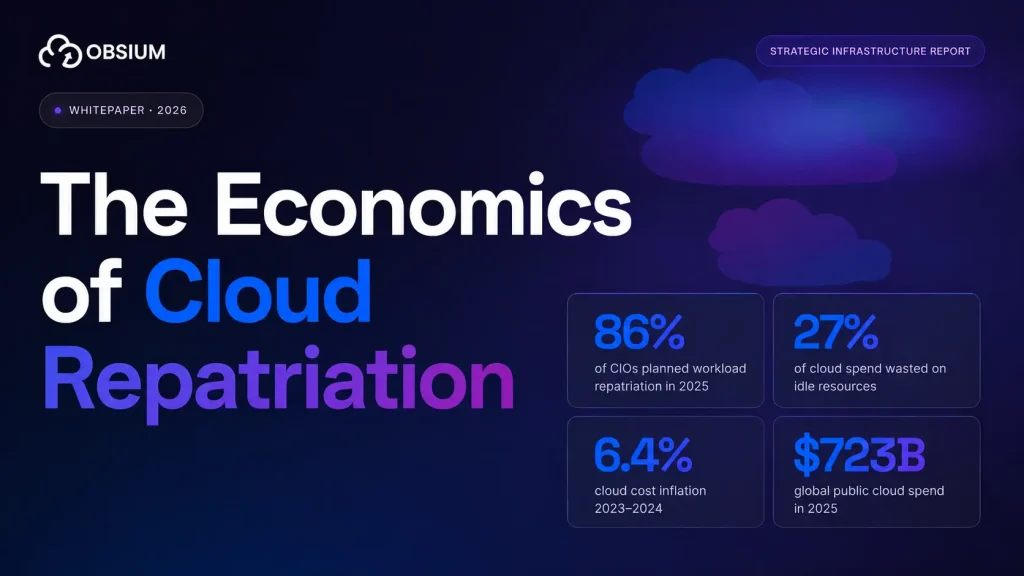


Cloud Cost Optimization is the continuous process of reducing cloud infrastructure spending while maintaining the performance, availability, and reliability that the business requires. It encompasses rightsizing resources, eliminating waste, leveraging pricing models like reserved instances and spot capacity, optimizing architecture, and establishing governance processes that prevent cost overruns before they happen.
Why Cloud Cost Optimization Matters
Cloud spending can grow rapidly without visibility and controls. Organizations commonly overspend by 30 to 40 percent on cloud services due to over-provisioned resources, unused infrastructure, and missed discount opportunities. Systematic cost optimization frees up budget for innovation and growth while ensuring that every dollar spent on cloud infrastructure delivers business value.
Teams that understand and adopt cloud cost optimization gain a significant operational advantage, reducing manual effort and improving the reliability and scalability of their infrastructure. As cloud-native adoption accelerates, familiarity with cloud cost optimization has become a core competency for DevOps engineers, platform teams, and site reliability engineers working in production Kubernetes and cloud environments.
How Cloud Cost Optimization Works
Effective cost optimization follows a continuous cycle. First, gain visibility into spending by tagging resources and allocating costs to teams. Then identify optimization opportunities including rightsizing over-provisioned instances, purchasing reserved capacity for stable workloads, using spot instances for fault-tolerant jobs, and deleting unused resources. Finally, implement governance through budgets, alerts, and policies that prevent cost overruns. Repeat this cycle regularly.
Understanding how cloud cost optimization fits into the broader cloud-native ecosystem is important for making informed architecture decisions. It works alongside other tools and practices in the DevOps and platform engineering space, and choosing the right combination depends on your team’s specific requirements, scale, and operational maturity.
Key Features
Rightsizing
Match resource sizes to actual use, eliminating waste from over-provisioned instances.
Reserved Capacity
Commit to one or three-year terms for stable workloads to receive significant discounts versus on-demand pricing.
Waste Elimination
Identify and remove idle resources, unattached storage, and forgotten development environments.
Architecture Optimization
Redesign applications to use serverless, containers, or other cost-efficient services where appropriate.
Common Use Cases
Rightsizing Kubernetes node groups based on actual pod resource use to reduce compute costs.
Purchasing reserved instances for baseline database and application workloads with predictable usage patterns.
Implementing automated cleanup of unused EBS volumes, old snapshots, and idle load balancers.
Moving from always-on EC2 instances to serverless Lambda functions for event-driven workloads with variable traffic.
How Obsium Helps
Obsium’s cloud consulting team helps organizations implement and optimize cloud cost optimization as part of production-grade infrastructure. Whether you are adopting cloud cost optimization for the first time or looking to improve an existing implementation, our engineers bring hands-on experience across cloud platforms and Kubernetes environments. Learn more about our cloud consulting services →
Frequently Asked Questions
What is Cloud Cost Optimization?
Cloud Cost Optimization is the continuous process of reducing cloud infrastructure spending while maintaining the performance, availability, and reliability that the business requires. It encompasses rightsizing resources, eliminating waste, leveraging pricing models like reserved instances and…
How does Cloud Cost Optimization work?
Cloud Cost Optimization works by combining the components described in the sections above. The main page walks through the architecture, the typical use cases, and the trade-offs to weigh before adopting it.
Why does Cloud Cost Optimization matter?
Teams adopt Cloud Cost Optimization to ship faster, run more reliably, and reduce the cognitive load on engineers. The benefits, limits, and adjacent tools are covered in the body above.
When should you use Cloud Cost Optimization?
Use Cloud Cost Optimization when the problems it solves match what your team is hitting today. The page above outlines the signals that mean you should adopt it now, and the cases where a simpler approach is fine.