01
Cluster Design & Architecture
Highly available, multi-tenant clusters designed for your actual workloads. Node topology, CNI, storage, and upgrade strategy decided up front — predictable at 3am, not just at kickoff.


Obsium designs, secures, migrates, and operates production-grade Kubernetes — in the cloud, on-prem, hybrid, or fully air-gapped. Observability wired in from day one. Everything handed over in your repo, in plain English.
Certified across the three major clouds — so the right platform for your Kubernetes workloads is an engineering call, never a sales pitch.



Kubernetes is powerful, but unforgiving. Run well, it scales your teams and cuts infrastructure cost; run wrong, it means outages, security gaps, and cloud bills that climb faster than revenue. Consulting gets you the upside without the production mistakes — and leaves your engineers a platform they can own long after the engagement ends.
Six disciplines, one engagement. Every component has to earn its place against your workloads — not a CNCF bingo card.
Highly available, multi-tenant clusters designed for your actual workloads. Node topology, CNI, storage, and upgrade strategy decided up front — predictable at 3am, not just at kickoff.
From VMs, docker-compose, ECS, or an inherited cluster with a year of kubectl drift. Per-workload plans, rollback paths tested before anything touches production traffic.
RBAC, Pod Security Standards, network policies, secrets management, and audit logging mapped to CIS benchmarks and your framework — verified before go-live, not after the pentest.
Argo CD or Flux, Helm, Terraform, and golden-path templates so developers ship without filing tickets. Every change goes through Git — reviewable, auditable, reversible.
Prometheus, Grafana, and OpenTelemetry wired into every cluster we touch, with SLOs and alerts tuned to what actually pages a human. Obsium is built on observability.
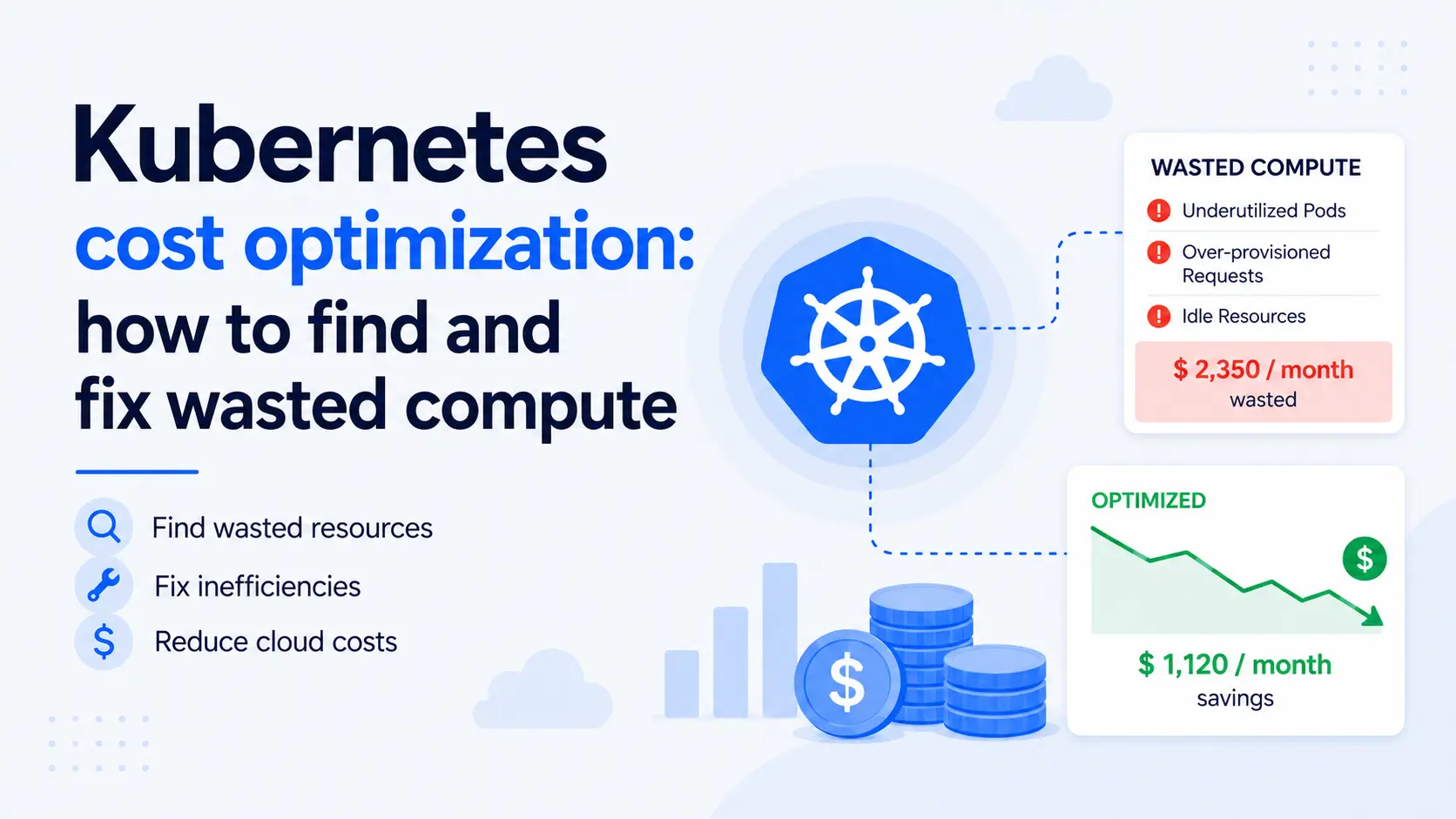
Right-sized requests and limits, HPA and cluster autoscaling, bin-packing, and spot strategy designed against real usage. Most clusters we audit run 40–60% over-provisioned.
Most consultancies stop where the managed control plane ends. We keep going: disconnected registries, private PKI, offline upgrades.
Managed Kubernetes on EKS, AKS, or GKE — landing zones, IAM, and networking done right the first time.
Workloads split across cloud and datacenter with one control model, one observability stack, one playbook.
Self-managed clusters on your metal — control-plane tuning, storage, and data-residency handled.
Fully disconnected clusters: offline registries, private CAs, air-gapped upgrade pipelines. Nothing phones home.
Three ways to get Kubernetes into production. Here's the trade, stated plainly.
| DIY in-house | Typical consultancy | Obsiumrecommended | |
|---|---|---|---|
| Time to production-ready | ✕9–18 months of trial & error | ~Fast build, slow handover | ✓6–14 weeks, staged |
| Who does the work | ~Engineers learning as they go | ✕Seniors pitch, juniors deliver | ✓CKA/CKS seniors, always |
| Air-gapped & on-prem | ~Possible, painful | ✕Usually declined | ✓Routine, not a research project |
| Lock-in | ✓None | ✕Proprietary tooling & retainers | ✓100% open source, yours to keep |
| Observability | ~Bolted on later | ~Optional line item | ✓Built in from day one |
| Knowledge transfer | ✓Stays in-house | ✕Leaves with the consultants | ✓Your team builds alongside ours |
| Pricing | ~Salaries + opportunity cost | ✕T&M that creeps | ✓Fixed range, scoped by outcome |
Four stages. Written deliverables at every one. Your engineers in the room throughout.
We audit your clusters (or planned design) against CIS benchmarks, reliability targets, and your cost ceiling. You get findings ranked by risk — tied to specific workloads, not a maturity scorecard.
Topology, networking, security model, GitOps workflow, upgrade strategy — documented with the reasoning attached. Terraform and Helm live in your repo from day one.
Staged implementation alongside your team, workload by workload, rollback paths tested before each cutover. By the last wave, your engineers run the playbook themselves.
We stay on as an escalation point or full managed partner, with optional 24/7 coverage. Monthly reviews catch drift, security gaps, and cost creep before they become incidents.
A lot of Kubernetes consulting produces the same artifact: an over-engineered cluster with eleven CNCF tools nobody asked for, a slide deck, and an invoice. Six months later the one engineer who understood the service mesh has left, and every deploy is a small act of courage.
We build the opposite. Every component has to earn its place against your workloads, your compliance regime, and your team's real operating capacity. And we stick around for months three to twelve — when the cluster has to survive real traffic, real upgrades, and a real audit.
We operate where most consultancies tap out: disconnected networks, regulated estates, hybrid setups. Offline registries and private PKI are routine for us.
No proprietary agents, no licence renewals holding your platform hostage. If we disappeared tomorrow, your cluster wouldn't notice.
Engagements led by CKA and CKS certified engineers who've run Kubernetes at scale. No juniors learning kubectl on your cluster.
Metrics, logs, traces, and SLO-based alerting from day one. When something breaks, your team debugs from data — not tribal memory.
Financial services, banking SaaS, and multi-site enterprises — real Kubernetes, migration, and observability engagements, with the numbers to match.
An internal developer platform on GitHub Actions, Argo CD, Kyverno, and cert-manager — self-serve deploys with policy, DNS, and TLS in under two minutes, sustaining 300+ concurrent CI/CD runs with zero degradation.
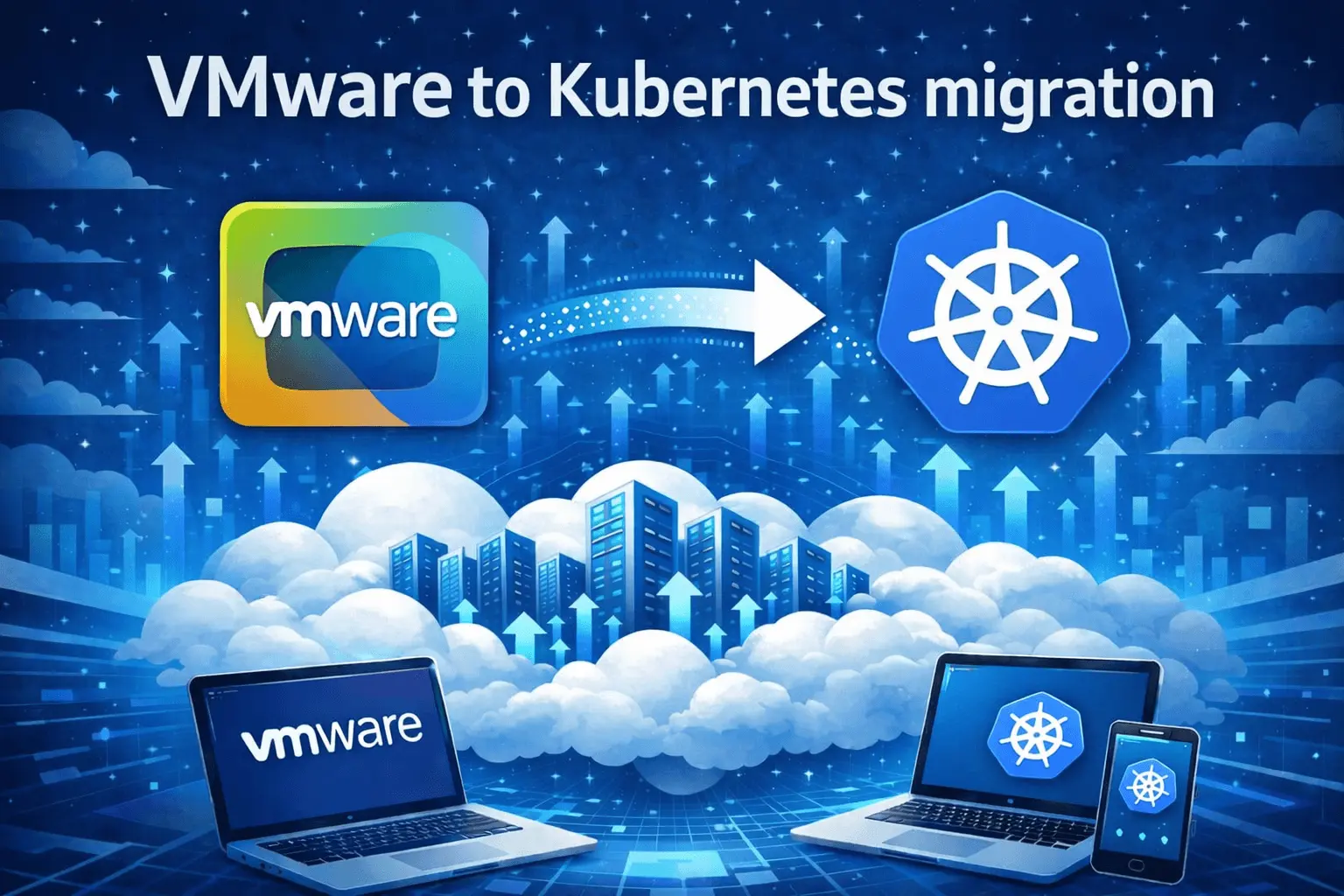
Read the case study →A phased, wave-based migration of 54 Windows Server workloads and ~18 TB off on-prem VMware to AWS — 0 hours downtime, 100% data integrity, and no application changes for 100+ concurrent users.
Read the case study →A multi-tenant Grafana LGTM platform on AWS EKS with an S3 backend and Terraform provisioning — collection agents cut from three to one per cluster, zero-touch tenant onboarding, and no public-internet telemetry exposure.
Read the case study →"We worked closely with Obsium on an application modernization project for a US-based healthcare customer. Their team successfully migrated the platform to AWS, implemented Kubernetes, and deployed a robust observability stack.
Obsium demonstrated deep expertise in cloud-native technologies and delivered the engagement with professionalism and technical excellence. We highly recommend Obsium for organizations seeking modern cloud, Kubernetes, and observability solutions."
 — Rinish K N, CEO, Thoughtminds.io
Obsium has been our trusted partner whenever we need Cloud, DevOps, and Site Reliability Engineering (SRE) resources. Their team brings deep technical expertise and consistently delivers high-quality professionals who meet client expectations.
The resources provided by Obsium are well-vetted, technically sound, and interview-ready, enabling us to fulfil our client requirements quickly and confidently. We highly recommend Obsium to organizations seeking reliable Cloud, DevOps, and SRE talent, especially when there is a need to onboard skilled resources within short timelines.
 — Jisha Panicker, Head of HR, Ellow Technologies
"Obsium was our preferred partner for implementing an MLOps platform for a Fortune 500 customer in the US. Their team brought strong technical expertise, practical implementation experience, and a proactive approach to the engagement.
They demonstrated excellent understanding of modern cloud, DevOps, and MLOps ecosystems, and executed the project with professionalism and reliability. We highly recommend Obsium to organizations seeking a dependable partner for DevOps and MLOps initiatives."
 — Rajesh P, COO, Wizr.ai
"Obsium team quickly understands project requirements and brings strong technical depth to every engagement. What stands out is their practical approach to solving real infrastructure and operational challenges while maintaining a high standard of professionalism.
We value our collaboration with Obsium and would confidently recommend them to organizations looking for experienced cloud and DevOps expertise."
 — Real Prad, CEO, Sayone Technologies
"We've worked with Obsium on a few client projects where cloud and DevOps expertise was needed alongside our security work. Their team has good technical depth and has been professional to collaborate with."
 — Meera Saraswathi, Technology Risk Lead, ServerAudit
Field notes from the same engineers who run these clusters in production.
A free 30-minute scoping call. You leave with a written fixed range and an honest read on whether you even need Kubernetes. No deck, no drama.
or write to us — hello@obsium.io