











Your Cloud Story,
Engineered for Success
Contacts
US Office: Obsium, 6200,
Stoneridge Mall Rd, Pleasanton CA 94588 USA
Kochi Office: GB4, Ground Floor, Athulya, Infopark Phase 1, Infopark Campus Kakkanad, Kochi 682042
Kubernetes consulting for teams who need clusters that survive production, not just the demo. Obsium designs, secures, migrates, and operates Kubernetes in cloud, on-prem, hybrid, and fully air-gapped environments — with observability wired in from day one and everything handed over in your repo, in plain English.
We've designed, migrated, and operated Kubernetes for fintech, healthcare, SaaS, and defense-adjacent teams — from managed cloud clusters to fully air-gapped installations where nothing phones home. Every engagement ends with a platform the on-call engineer can actually run.
A lot of Kubernetes consulting produces the same artifact: an over-engineered cluster with eleven CNCF tools nobody asked for, a slide deck, and an invoice. Six months later the one engineer who understood the service mesh has left, upgrades are two versions behind, and every deploy is a small act of courage.
We build the opposite. Every component in your cluster has to earn its place against your actual workloads, your compliance regime, and your team’s real operating capacity. 100% open source, so there’s no licence trap and no lock-in — the platform is fully yours. And because we work in environments most consultancies won’t touch — on-prem, hybrid, and fully air-gapped — the design holds up even where there’s no managed control plane to lean on.
We build alongside your engineers, not in a sealed room. The Terraform, the Helm charts, the runbooks, and the decision log stay in your repo. And we stick around for the part that matters: months three to twelve, when the cluster has to survive real traffic, real upgrades, and a real audit.
We deploy and operate Kubernetes where most consultancies tap out: air-gapped networks, regulated on-prem estates, and hybrid setups. Offline registries, private PKI, and disconnected upgrades are routine for us, not a research project.
Everything we deploy is open source and fully under your control. No proprietary agents, no licence renewals holding your platform hostage, no exit fee. If we disappeared tomorrow, your cluster wouldn't notice.
Engagements are led by CKA and CKS certified engineers who've run Kubernetes in production at scale. No bait-and-switch where seniors pitch the work and juniors learn kubectl on your cluster.
Every cluster ships with metrics, logs, traces, and SLO-based alerting from day one. When something breaks, your team debugs from data — not from tribal memory of how the platform was wired.
"We worked closely with Obsium on an application modernization project for a US-based healthcare customer. Their team successfully migrated the platform to AWS, implemented Kubernetes, and deployed a robust observability stack.
Obsium demonstrated deep expertise in cloud-native technologies and delivered the engagement with professionalism and technical excellence.
We highly recommend Obsium for organizations seeking modern cloud, Kubernetes, and observability solutions."

Obsium has been our trusted partner whenever we need Cloud, DevOps, and Site Reliability Engineering (SRE) resources. Their team brings deep technical expertise and consistently delivers high-quality professionals who meet client expectations.
The resources provided by Obsium are well-vetted, technically sound, and interview-ready, enabling us to fulfil our client requirements quickly and confidently.
We highly recommend Obsium to organizations seeking reliable Cloud, DevOps, and SRE talent, especially when there is a need to onboard skilled resources within short timelines.

"Obsium was our preferred partner for implementing an MLOps platform for a Fortune 500 customer in the US. Their team brought strong technical expertise, practical implementation experience, and a proactive approach to the engagement.
They demonstrated excellent understanding of modern cloud, DevOps, and MLOps ecosystems, and executed the project with professionalism and reliability.
We highly recommend Obsium to organizations seeking a dependable partner for DevOps and MLOps initiatives."

"Obsium team quickly understands project requirements and brings strong technical depth to every engagement.
What stands out is their practical approach to solving real infrastructure and operational challenges while maintaining a high standard of professionalism.
We value our collaboration with Obsium and would confidently recommend them to organizations looking for experienced cloud and DevOps expertise."

"Obsium team quickly understands project requirements and brings strong technical depth to every engagement.
What stands out is their practical approach to solving real infrastructure and operational challenges while maintaining a high standard of professionalism.
We value our collaboration with Obsium and would confidently recommend them to organizations looking for experienced cloud and DevOps expertise."

We’ve worked with Obsium on a few client projects where cloud and DevOps expertise was needed alongside our security work. Their team has good technical depth and has been professional to collaborate with.


A Kubernetes consultant designs, builds, secures, and operates container platforms so your team doesn’t learn production lessons the expensive way. In practice that means cluster architecture and provisioning, workload migration, security hardening (RBAC, network policies, secrets), GitOps and CI/CD pipelines, observability, and cost optimization — plus training so your engineers can run the platform without a consultant on retainer forever.
We scope by outcome, not billable hours. A cluster audit with a written remediation plan is one fixed range; a greenfield production cluster or a migration is another; ongoing managed Kubernetes runs as a monthly retainer. After a free 30-minute scoping call you get a written fixed range — not a time-and-materials quote that creeps for six months. Most engagements run 6 to 14 weeks.
Managed Kubernetes is the right default for most cloud teams: the provider runs the control plane and you keep your engineers focused on workloads. Self-managed makes sense when you’re on-prem or air-gapped, need specific control-plane tuning, or have data-residency rules a cloud provider can’t satisfy. We run both daily and will tell you plainly which fits — including when the honest answer is the boring managed option.
Yes — it’s one of the reasons teams come to us. We build fully disconnected clusters with offline image registries, private certificate authorities, air-gapped upgrade pipelines, and observability that never phones home. The same applies to regulated on-prem and hybrid estates under SOC 2, HIPAA, or ISO 27001, where controls are mapped and verified before workloads land.
Honestly, not always — and we’ll tell you in the first call. If you run a handful of services with predictable load, a simpler platform may cost less and page nobody. Kubernetes earns its complexity when you have many services, multiple teams shipping independently, real scaling requirements, or hybrid and on-prem constraints. If the audit says you don’t need it, you’ll have saved a year of platform work for the price of a conversation.
FinOps consultation that gets your infrastructure ready, not just your dashboard. We audit your cloud spend across AWS, Azure, GCP, and Kubernetes, fix the tagging and ownership gaps that make cost data useless, and advise on the FinOps tooling that actually fits your environment. We don’t sell tools. We get you ready for them.
Many FinOps initiatives start with a platform. However, tools deliver the most value when the underlying cost data, ownership, and governance processes are already in place. At Obsium, we focus on building those foundations first. We help organizations improve tagging, cost allocation, ownership, and Kubernetes cost visibility, then provide independent guidance on FinOps tooling when it makes sense for their environment.
Every engagement is led by senior people who've actually built and run AWS environments at scale. No bait-and-switch where the partners pitch and juniors deliver.
Every design is documented, justified, and defensible. When the security or compliance team comes asking, your team has the answers ready, not a frantic Slack thread.
We design with the AWS pricing calculator open. Reserved Instance and Savings Plan strategy, autoscaling, and Spot vs On-Demand tradeoffs are decided up front, not discovered when the bill arrives.
Your engineers ship alongside ours. By the end of the engagement, the people who'll run the environment are the people who built it. No hostage knowledge.
"We worked closely with Obsium on an application modernization project for a US-based healthcare customer. Their team successfully migrated the platform to AWS, implemented Kubernetes, and deployed a robust observability stack.
Obsium demonstrated deep expertise in cloud-native technologies and delivered the engagement with professionalism and technical excellence.
We highly recommend Obsium for organizations seeking modern cloud, Kubernetes, and observability solutions."

Obsium has been our trusted partner whenever we need Cloud, DevOps, and Site Reliability Engineering (SRE) resources. Their team brings deep technical expertise and consistently delivers high-quality professionals who meet client expectations.
The resources provided by Obsium are well-vetted, technically sound, and interview-ready, enabling us to fulfil our client requirements quickly and confidently.
We highly recommend Obsium to organizations seeking reliable Cloud, DevOps, and SRE talent, especially when there is a need to onboard skilled resources within short timelines.

"Obsium was our preferred partner for implementing an MLOps platform for a Fortune 500 customer in the US. Their team brought strong technical expertise, practical implementation experience, and a proactive approach to the engagement.
They demonstrated excellent understanding of modern cloud, DevOps, and MLOps ecosystems, and executed the project with professionalism and reliability.
We highly recommend Obsium to organizations seeking a dependable partner for DevOps and MLOps initiatives."

"Obsium team quickly understands project requirements and brings strong technical depth to every engagement.
What stands out is their practical approach to solving real infrastructure and operational challenges while maintaining a high standard of professionalism.
We value our collaboration with Obsium and would confidently recommend them to organizations looking for experienced cloud and DevOps expertise."
"Obsium team quickly understands project requirements and brings strong technical depth to every engagement.
What stands out is their practical approach to solving real infrastructure and operational challenges while maintaining a high standard of professionalism.
We value our collaboration with Obsium and would confidently recommend them to organizations looking for experienced cloud and DevOps expertise."

We’ve worked with Obsium on a few client projects where cloud and DevOps expertise was needed alongside our security work. Their team has good technical depth and has been professional to collaborate with.
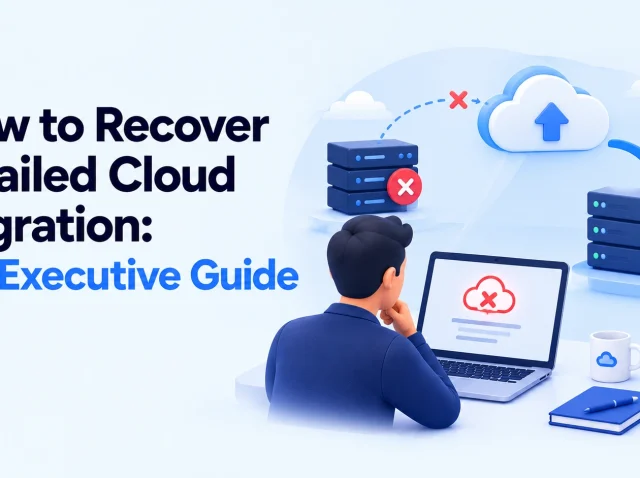
FinOps consultation is the advisory and infrastructure work — tagging, cost allocation, ownership mapping — that makes cost data accurate and usable. FinOps tooling is the software that visualizes and reports on that data. A tool without the underlying infrastructure work produces inaccurate or unusable reports. Obsium provides the consultation and readiness work, and advises on tooling without selling or operating a platform.
No. Obsium does not sell or require any specific tool. We assess your infrastructure, fix tagging and cost ownership gaps, and recommend tooling only if and when it adds genuine value at your scale. Many organizations get most of the value they need through process and infrastructure changes alone.
Yes. Obsium provides namespace and workload-level cost mapping for EKS, AKS, and GKE clusters. Most cloud billing tools and even some FinOps platforms show a Kubernetes cluster as a single line item. We structure the underlying data so cost can be broken down to the team or workload responsible for it.
Most engagements run 6 to 10 weeks for the assessment, tagging, and ownership setup phase. Timeline depends on the number of accounts, clusters, and existing tagging coverage. A written timeline is provided after the initial audit, based on your specific environment.
You receive full documentation of tagging standards, cost ownership models, and review processes your team can run independently. Most clients either manage cost reviews internally using this documentation or continue with Obsium on a periodic advisory basis.
A slow checkout or an outage during a sale is revenue you don't get back. Obsium helps e-commerce and D2C teams run infrastructure that absorbs peak traffic, stays fast, and doesn't cost a fortune the rest of the year, on Kubernetes and AWS, Azure, and GCP.
When the store is the business, every second of slowness or downtime has a number attached. Here is what teams usually bring to us.
Every minute your store is down during a launch or a sale is revenue you can't recover, and customers who don't come back.
A product page or checkout that lags loses sales. Performance and revenue are the same line.
A campaign that lands, a drop, a press feature: demand arrives in minutes, and infrastructure that was fine yesterday falls over.
Provisioning for Black Friday and running it in February burns budget on servers sitting idle.
Your engineers build the shopping experience. Running autoscaling Kubernetes under it is a separate job that pulls them off the product.
Most stores we work with arrive with two or three of these at once. We help close them without pulling your team off the product.
We map our services to the parts of a store that decide whether a busy day goes well.
Error budgets, incident response, and on-call practices that keep your store online through launches, sales, and traffic spikes.
Explore SREMetrics, logs, and traces across your stack, so you catch slow checkouts, cart failures, and errors before customers and revenue feel them.
Explore observabilityRun your storefront on Kubernetes that scales out for peak traffic and back down afterwards, so you pay for what you actually use.
Explore KubernetesInfrastructure on AWS, Azure, and GCP built for bursty retail traffic, with spend kept under control across peak and quiet periods.
Explore cloudCI/CD pipelines so you ship storefront changes quickly and roll back safely, even in the middle of a busy season.
Explore DevOpsInternal developer platforms and golden paths so your store and product teams ship without waiting on ops.
Explore platform engineeringMost stores run fine on a normal Tuesday. The question is what happens when a launch, a sale, or a press hit triples your traffic in ten minutes. We get the infrastructure ready before the traffic shows up: load testing to find the breaking point, autoscaling proven ahead of the day rather than during it, capacity and cost planning, incident runbooks and on-call cover for the event, caching and CDN tuning, and observability so you see a problem in seconds instead of from your customers.
// We get the infrastructure ready before the traffic shows up.
We worked closely with Obsium on an application modernization project for a US-based healthcare customer. Their team successfully migrated the platform to AWS, implemented Kubernetes, and deployed a robust observability stack.
Obsium demonstrated deep expertise in cloud-native technologies and delivered the engagement with professionalism and technical excellence.
We highly recommend Obsium for organizations seeking modern cloud, Kubernetes, and observability solutions.
We start by making your store visible, so slow pages, cart failures, and capacity limits surface early instead of during your biggest sale.
We run large-scale, multi-tenant Kubernetes, the substrate that absorbs traffic spikes and scales back down, so peak load is familiar ground.
The person advising you runs the implementation. Nothing gets lost in a handoff to a junior team.
A shared Slack channel, regular syncs, flexible hours, and no long lock-in. You add capacity without adding headcount.
A short, no-pressure call to understand your setup, your goals, and where things are getting in the way.
You get a clear scope: the approach, trade-offs, and first steps, shaped around your priorities and how you like to work.
We match you with the senior engineer right for the job, and you confirm the fit before any work begins.
Your engineer plugs into your team through a shared channel and regular syncs, does the hands-on work, and keeps you in the loop.
Yes. We build resilient cloud and Kubernetes architectures that scale smoothly and recover fast under real production load, backed by 24/7 managed support and incident response.
Yes. We help reduce waste, control spend, and maximise cloud ROI while keeping performance, stability, and reliability intact.
We work across AWS, Azure, and GCP, and design cloud-agnostic, portable architectures. We also handle hybrid setups that connect on-premises and cloud.
Both. We handle new builds and migrations with assessment, planning, execution, and validation. Where you already have a setup, we integrate with it and improve it rather than replacing things without good reason.
Yes. We integrate with the tools and workflows you already use and improve them, without unnecessary replacements. We can also embed engineers and dedicated SRE support to work alongside your team.
Start with a conversation. Request a demo or get in touch at obsium.io/contact-us, and we will scope the work to your needs and share a quote.
Tell us where your store strains, whether that's downtime during sales, slow pages, traffic spikes, or a cloud bill that climbs all year. The first conversation is free, and no hour is billed before you have seen the plan.
Book a free consultationTraining jobs, inference endpoints, and GPU clusters have their own failure modes and their own bills. Obsium helps AI and ML teams run reliable, observable, cost-controlled infrastructure on Kubernetes and AWS, Azure, and GCP, so your researchers ship models instead of fighting infrastructure.
Moving from a notebook to production AI changes the failure modes and the economics. Here is what teams usually bring to us.
Idle GPUs, oversized instances, and training jobs that overrun quietly turn into a cloud bill nobody can explain.
Workloads that ran fine on one node fall over on a cluster, or queue for GPUs that aren't there when you need them.
A model that's accurate is no use if the endpoint is slow or down when real users hit it.
When a training run fails at hour nine or latency creeps up in production, you find out late because the pipeline isn't instrumented.
Your team ships models. Getting them onto reliable, reproducible infrastructure is a separate job that slows everyone down.
Most AI teams arrive with two or three of these at once. We help close them without pulling your researchers into infrastructure work.
We map our services to the parts of AI infrastructure that carry the most cost and risk.
Metrics, logs, and traces across your stack, so you see GPU utilization, failing training runs, and inference latency before they cost you a run or a customer.
Explore observabilityError budgets, incident response, and on-call practices that keep inference endpoints and long training jobs running through load and node loss.
Explore SRERun GPU training and serving on Kubernetes with the autoscaling, scheduling, and isolation that AI workloads need.
Explore KubernetesInfrastructure on AWS, Azure, and GCP for AI, with GPU capacity and spend kept under control instead of climbing unchecked.
Explore cloudCI/CD pipelines and infrastructure as code, so model builds and deploys are repeatable rather than bespoke.
Explore DevOpsInternal developer platforms and golden paths so data scientists launch training and ship models without waiting on ops.
Explore platform engineeringYour models, weights, and training data are the crown jewels, and they often run on shared GPU clusters with third-party tooling. We build infrastructure that keeps them isolated and controlled: private networking, least-privilege access, secrets management, audit logging, and tenant separation enforced at the infrastructure layer. For AI SaaS, that also covers the engineering side of SOC 2.
// Infrastructure aligned to the controls above. We support the engineering side of security, not the certification itself.
We worked closely with Obsium on an application modernization project for a US-based healthcare customer. Their team successfully migrated the platform to AWS, implemented Kubernetes, and deployed a robust observability stack.
Obsium demonstrated deep expertise in cloud-native technologies and delivered the engagement with professionalism and technical excellence.
We highly recommend Obsium for organizations seeking modern cloud, Kubernetes, and observability solutions.
We start by making your system visible, so GPU waste, failing runs, and latency surface early instead of after they burn compute or customers.
We run large-scale, multi-tenant Kubernetes, the substrate AI training and serving workloads depend on, so scaling GPU work on clusters is familiar ground.
The person advising you runs the implementation. Nothing gets lost in a handoff to a junior team.
A shared Slack channel, regular syncs, flexible hours, and no long lock-in. You add capacity without adding headcount.
A short, no-pressure call to understand your setup, your goals, and where things are getting in the way.
You get a clear scope: the approach, trade-offs, and first steps, shaped around your priorities and how you like to work.
We match you with the senior engineer right for the job, and you confirm the fit before any work begins.
Your engineer plugs into your team through a shared channel and regular syncs, does the hands-on work, and keeps you in the loop.
Yes. We implemented an MLOps platform for a Fortune 500 customer in the US, covering the cloud, DevOps, and MLOps setup around their models.
Yes. We build resilient cloud and Kubernetes architectures that scale smoothly and recover fast under real production load, backed by 24/7 managed support and incident response.
We work across AWS, Azure, and GCP, and design cloud-agnostic, portable architectures. We also handle hybrid setups that connect on-premises and cloud.
We build governance and compliance controls aligned with recognised standards, with visibility and audit readiness, and bake security into the architecture from the start. Sensitive workloads can run behind private networks with no public exposure. Models, data, and workloads can be isolated on private networks.
Yes. We integrate with the tools and workflows you already use and improve them, without unnecessary replacements. We can also embed engineers and dedicated SRE support to work alongside your team.
Start with a conversation. Request a demo or get in touch at obsium.io/contact-us, and we will scope the work to your needs and share a quote.
Tell us where your AI infrastructure is straining, whether that's GPU spend, a training pipeline that keeps breaking, or inference that buckles under load. The first conversation is free, and no hour is billed before you have seen the plan.
Book a free consultationWhen your systems carry patient data and clinical workflows, downtime and a privacy gap are not options. Obsium helps healthtech teams run secure, observable infrastructure on AWS, Azure, and Kubernetes that holds up to real load and to HIPAA audits.
When patient data and care delivery run on your platform, the stakes are different from a typical SaaS. Here is what teams usually bring to us.
When a portal, a telehealth session, or a clinical workflow goes down, the impact lands on patients and providers, not just a dashboard.
HIPAA and SOC 2 reviews want encryption, access controls, audit logs, and monitoring you can show, not just describe.
Protected health information is a constant target, and a misconfigured cluster or an over-permissive policy is exactly the gap that turns into a reportable incident.
An enrollment period, a telehealth surge, or a new provider rollout can overwhelm infrastructure that was fine last week.
Your engineers know the domain. Running HIPAA-aligned Kubernetes on private networks is a separate job, and it pulls them off the product.
Most healthtech teams we work with arrive with two or three of these at once. We help you close them without adding headcount.
We map our services to the parts of healthcare infrastructure that carry the most risk.
Metrics, logs, and traces across your stack, so you see latency, errors, and failures in portals, telehealth, and APIs before patients or clinicians do.
Explore observabilityError budgets, incident response, and on-call practices that keep clinical and patient-facing systems available through demand spikes.
Explore SREClusters that run inside private networks with the encryption, access controls, and policies HIPAA reviews expect to see.
Explore KubernetesInfrastructure on AWS, Azure, and GCP built for the availability and PHI-handling rules healthcare operates under, including migrations off legacy systems.
Explore cloudCI/CD pipelines with security scanning and change controls, so every release leaves an audit trail instead of a gap.
Explore DevOpsInternal developer platforms and golden paths so your engineers ship on their own, while access, security, and compliance controls stay enforced underneath.
Explore platform engineeringWe don't issue certifications, and we won't sign your HIPAA attestation for you. What we do is build and run infrastructure that holds up under HIPAA and SOC 2: encryption in transit and at rest, least-privilege access, audit logging, change history through GitOps, monitoring you can show on request, and network isolation that keeps PHI off the public internet. That covers the infrastructure side of the obligations your engineering team carries.
// Infrastructure aligned to the frameworks above. We support the engineering side of compliance, not the certification itself.
We worked closely with Obsium on an application modernization project for a US-based healthcare customer. Their team successfully migrated the platform to AWS, implemented Kubernetes, and deployed a robust observability stack.
Obsium demonstrated deep expertise in cloud-native technologies and delivered the engagement with professionalism and technical excellence.
We highly recommend Obsium for organizations seeking modern cloud, Kubernetes, and observability solutions.
We start by making your system visible, so reliability problems and audit gaps surface early instead of reaching patients during an incident.
Our work includes migrating a US healthcare customer to AWS with Kubernetes and full observability, so privacy-tight, regulated environments are familiar ground, not a learning curve on your budget.
The person advising you runs the implementation. Nothing gets lost in a handoff to a junior team.
A shared Slack channel, regular syncs, flexible hours, and no long lock-in. You add capacity without adding headcount.
A short, no-pressure call to understand your setup, your goals, and where things are getting in the way.
You get a clear scope: the approach, trade-offs, and first steps, shaped around your priorities and how you like to work.
We match you with the senior engineer right for the job, and you confirm the fit before any work begins.
Your engineer plugs into your team through a shared channel and regular syncs, does the hands-on work, and keeps you in the loop.
Yes. For a US healthcare customer we migrated the application to AWS, implemented Kubernetes, and deployed a full observability stack.
We build governance and compliance controls aligned with recognised standards, with visibility and audit readiness, and bake security into the architecture from the start. Sensitive workloads can run behind private networks with no public exposure.
We work across AWS, Azure, and GCP, and design cloud-agnostic, portable architectures. We also handle hybrid setups that connect on-premises and cloud.
Both. We handle new builds and migrations with assessment, planning, execution, and validation. Where you already have a setup, we integrate with it and improve it rather than replacing things without good reason.
Yes. We integrate with the tools and workflows you already use and improve them, without unnecessary replacements. We can also embed engineers and dedicated SRE support to work alongside your team.
Start with a conversation. Request a demo or get in touch at obsium.io/contact-us, and we will scope the work to your needs and share a quote.
Tell us where your infrastructure feels risky, whether that's uptime, PHI security, an upcoming audit, or a migration you keep postponing. The first conversation is free, and no hour is billed before you have seen the plan.
Book a free consultationWhen a minute of downtime means lost transactions and a compliance question, your infrastructure has to be right. Obsium helps fintech teams run secure, observable systems on AWS, Azure, and Kubernetes that hold up to real traffic and real audits.
The stakes in financial services are different from a typical SaaS. Here is what teams usually bring to us.
A failed deploy or an unnoticed memory leak during peak hours means dropped transactions and support tickets you can count in revenue.
SOC2 and PCI DSS reviews want access controls, change history, and monitoring you can show, not just describe.
Financial data is a constant target, and a misconfigured cluster or an over-permissive policy is exactly the gap that ends up in an incident report.
Traffic spikes around paydays, market events, and launches, and infrastructure that was fine last month falls over under the load.
Your engineers ship features well. Running compliant Kubernetes on private networks is a separate job, and it pulls them off the roadmap.
Most fintech teams we work with arrive with two or three of these at once. We help you close them without adding headcount.
We map our services to the parts of fintech infrastructure that carry the most risk.
Metrics, logs, and traces across your stack, so you see latency, errors, and failures as they form instead of after a customer reports them.
Explore observabilityError budgets, incident response, and on-call practices that keep your platform available through peak load and market events.
Explore SREClusters that run inside private networks with the access controls and policies auditors expect to see.
Explore KubernetesInfrastructure on AWS, Azure, and GCP built for the availability and data-handling rules financial services operate under.
Explore cloudCI/CD pipelines with security scanning and change controls, so every release leaves an audit trail instead of a gap.
Explore DevOpsInternal developer platforms and golden paths so your engineers ship on their own, while access, security, and compliance controls stay enforced underneath.
Explore platform engineeringWe don't issue certifications, and we won't claim to make you compliant on our own. What we do is build and run infrastructure that holds up when the auditor arrives: documented access controls, change history through GitOps, monitoring and alerting you can show on request, and security policies enforced in code rather than tracked in a spreadsheet. That covers the infrastructure side of the frameworks your engineering team is responsible for.
// Infrastructure aligned to the frameworks above. We support the engineering side of compliance, not the certification itself.
We built end-to-end observability for a US banking SaaS running on AWS EKS behind private networks, giving the team a clear view into a system where downtime and blind spots were not acceptable.
We worked closely with Obsium on an application modernization project for a US-based healthcare customer. Their team successfully migrated the platform to AWS, implemented Kubernetes, and deployed a robust observability stack.
Obsium demonstrated deep expertise in cloud-native technologies and delivered the engagement with professionalism and technical excellence.
We highly recommend Obsium for organizations seeking modern cloud, Kubernetes, and observability solutions.
We start by making your system visible, so reliability problems and audit gaps surface early instead of during an incident.
Our work includes a US banking SaaS on AWS EKS behind private networks, so security-tight, regulated environments are familiar ground, not a learning curve on your budget.
The person advising you runs the implementation. Nothing gets lost in a handoff to a junior team.
A shared Slack channel, regular syncs, flexible hours, and no long lock-in. You add capacity without adding headcount.
A short, no-pressure call to understand your setup, your goals, and where things are getting in the way.
You get a clear scope: the approach, trade-offs, and first steps, shaped around your priorities and how you like to work.
We match you with the senior engineer right for the job, and you confirm the fit before any work begins.
Your engineer plugs into your team through a shared channel and regular syncs, does the hands-on work, and keeps you in the loop.
Yes. We built full-stack observability for a US banking SaaS on AWS EKS, running fully behind private networks. It is one of our published case studies.
We work across AWS, Azure, and GCP, and design cloud-agnostic, portable architectures. We also handle hybrid setups that connect on-premises and cloud.
Both. We handle new builds and migrations with assessment, planning, execution, and validation. Where you already have a setup, we integrate with it and improve it rather than replacing things without good reason.
We build governance and compliance controls aligned with recognised standards, with visibility and audit readiness, and bake security into the architecture from the start. Sensitive workloads can run behind private networks with no public exposure.
Yes. We integrate with the tools and workflows you already use and improve them, without unnecessary replacements. We can also embed engineers and dedicated SRE support to work alongside your team.
Start with a conversation. Request a demo or get in touch at obsium.io/contact-us, and we will scope the work to your needs and share a quote.
Tell us where your infrastructure feels risky, whether that's uptime, an upcoming audit, or a migration you keep postponing. The first conversation is free, and no hour is billed before you have seen the plan.
Book a free consultationYour legacy applications were built for a different era. We help you move them to modern cloud and Kubernetes platforms so they scale on demand, reduce operational overhead, and free your team to focus on what really matters.
A multi-site enterprise running 54 Windows Server workloads across six network segments needed to leave its ageing VMware infrastructure behind — without disrupting the 100+ users who depended on it daily.
We modernize using open standards and tools that work across providers, so you're never painted into a corner by a vendor's pricing model or product roadmap.
Observability isn't something we add at the end. It's how we build. Every modernized application ships with real visibility into how it's behaving, before anything goes wrong in production.
We've modernized applications for healthcare, fintech, SaaS, and enterprise teams. When we make a recommendation, it comes from having done this in production, not from a whitepaper.
We don't disappear after go-live. We stick around to keep your platforms running reliably, help your team when things get complicated, and make sure what we built together holds up over time.


"We worked closely with Obsium on an application modernization project for a US-based healthcare customer. Their team successfully migrated the platform to AWS, implemented Kubernetes, and deployed a robust observability stack.
Obsium demonstrated deep expertise in cloud-native technologies and delivered the engagement with professionalism and technical excellence.
We highly recommend Obsium for organizations seeking modern cloud, Kubernetes, and observability solutions."

Obsium has been our trusted partner whenever we need Cloud, DevOps, and Site Reliability Engineering (SRE) resources. Their team brings deep technical expertise and consistently delivers high-quality professionals who meet client expectations.
The resources provided by Obsium are well-vetted, technically sound, and interview-ready, enabling us to fulfil our client requirements quickly and confidently.
We highly recommend Obsium to organizations seeking reliable Cloud, DevOps, and SRE talent, especially when there is a need to onboard skilled resources within short timelines.

"Obsium was our preferred partner for implementing an MLOps platform for a Fortune 500 customer in the US. Their team brought strong technical expertise, practical implementation experience, and a proactive approach to the engagement.
They demonstrated excellent understanding of modern cloud, DevOps, and MLOps ecosystems, and executed the project with professionalism and reliability.
We highly recommend Obsium to organizations seeking a dependable partner for DevOps and MLOps initiatives."

"Obsium team quickly understands project requirements and brings strong technical depth to every engagement.
What stands out is their practical approach to solving real infrastructure and operational challenges while maintaining a high standard of professionalism.
We value our collaboration with Obsium and would confidently recommend them to organizations looking for experienced cloud and DevOps expertise."
"Obsium team quickly understands project requirements and brings strong technical depth to every engagement.
What stands out is their practical approach to solving real infrastructure and operational challenges while maintaining a high standard of professionalism.
We value our collaboration with Obsium and would confidently recommend them to organizations looking for experienced cloud and DevOps expertise."

We’ve worked with Obsium on a few client projects where cloud and DevOps expertise was needed alongside our security work. Their team has good technical depth and has been professional to collaborate with.
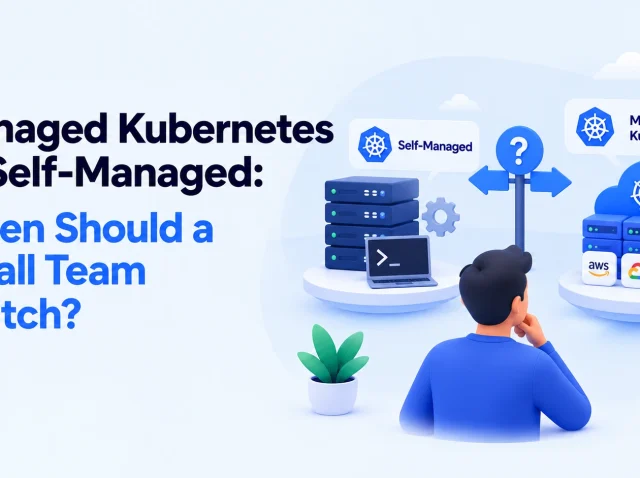
It begins with a discovery phase where we assess your application portfolio, infrastructure, and team workflows. From there we deliver a phased modernization roadmap and work alongside your engineers to execute, from containerization to Kubernetes deployment to CI/CD automation.
Honestly, it depends on the application. We look at each workload individually and recommend the approach that makes the most sense, whether that’s a straight lift, a re-platform, or a full re-architecture. We won’t push for a rewrite unless they genuinely add value.
We use phased migration strategies running old and new systems in parallel, using feature flags and traffic shifting, and validating at each stage before cutting over. Our observability-first approach means we have real-time visibility throughout the migration.
We work across AWS, Google Cloud, and Azure, Alibaba and support a wide range of application stacks including Java, .NET, Node.js, Python, and containerized workloads. Our approach is provider-agnostic and tailored to your existing environment.
It depends on the scope and what works best for your team. We typically work on a project basis or a monthly retainer, with clear deliverables so there are no surprises. If you tell us what you’re trying to achieve, we can give you a straight answer on what it would cost.
How Obsium collects, uses, and protects your information
Last Updated: May 8, 2026
Applies to: obsium.io and all Obsium services
Obsium (“we”, “our”, or “us”) is a cloud and DevOps consulting firm headquartered in Kochi, India. We operate the website obsium.io and provide professional services including Cloud Consulting, DevOps Solutions, Kubernetes Consulting, Site Reliability Engineering, Platform Engineering, and Observability Solutions.
This Privacy Policy explains what personal data we collect when you visit our website or engage with our services, why we collect it, how we use it, and what rights you have over your data. We take your privacy seriously and are committed to handling your information transparently and responsibly.
By using obsium.io, you agree to the practices described in this policy. If you do not agree, please discontinue use of our website.
We collect information you voluntarily submit to us, including:
When you visit obsium.io, our web server and analytics tools may automatically collect:
This information is collected to understand how visitors use our website and to improve our content and user experience.
Our website uses cookies – small text files stored on your device – to enable basic site functionality, remember your preferences, and collect analytics data. We use the following categories of cookies:
You can manage cookie preferences through your browser settings. Declining optional cookies will not affect your ability to use the site, though some features may behave differently.
We use the information we collect for the following purposes:
We do not use your personal data for automated decision-making or profiling that produces legal or similarly significant effects.
If you are located in the European Economic Area (EEA) or United Kingdom, we process your personal data under the following legal bases:
Obsium does not sell, rent, or trade your personal data to third parties. We may share your information in the following limited circumstances:
All third parties we work with are required to maintain appropriate security standards and may only use your data for the stated purpose.
Obsium operates from the United States and India. If you are located in the EEA, UK, or another jurisdiction with data transfer restrictions, please be aware that your personal data may be transferred to and processed in countries that may not have the same level of data protection as your home country.
Where we transfer data internationally, we rely on appropriate safeguards such as Standard Contractual Clauses (SCCs) or other mechanisms approved under applicable data protection law.
We retain your personal data only for as long as necessary to fulfil the purposes described in this policy, or as required by law:
You may request deletion of your personal data at any time, subject to any legal retention obligations we are required to honour.
We implement industry-standard technical and organisational measures to protect your personal data against unauthorised access, disclosure, alteration, or destruction. These include:
While we take these measures seriously, no method of transmission over the internet or electronic storage is 100% secure. We cannot guarantee absolute security, but we will notify affected individuals and relevant authorities promptly in the event of a data breach as required by law.
Depending on your location, you may have the following rights regarding your personal data:
To exercise any of these rights, please contact us at hello@obsium.io. We will respond within 30 days. We may ask you to verify your identity before processing your request.
California residents: under the California Consumer Privacy Act (CCPA), you have additional rights including the right to know what personal information is collected, the right to delete, and the right to opt out of the sale of personal information. Obsium does not sell personal information.
Our website and services are directed at business professionals and are not intended for individuals under the age of 16. We do not knowingly collect personal data from children. If you believe a child has submitted personal data to us, please contact us and we will promptly delete it.
obsium.io may contain links to external websites, including our partners’ websites and professional platforms such as LinkedIn. This Privacy Policy does not apply to those third-party sites. We encourage you to review the privacy policies of any external sites you visit.
We may update this Privacy Policy from time to time to reflect changes in our practices, technology, legal requirements, or other factors. When we make material changes, we will update the “Last Updated” date at the top of this page. We encourage you to review this policy periodically.
Continued use of obsium.io after a policy update constitutes your acceptance of the revised policy.
If you have questions, concerns, or requests related to this Privacy Policy, please contact us:
Email: hello@obsium.io
Phone: +91 9895941969
India Office: GB4, Ground Floor, Athulya, Infopark Phase 1, Infopark Campus Kakkanad, Kochi 682042, India
If you are located in the EEA and are not satisfied with our response, you have the right to lodge a complaint with your local supervisory authority.
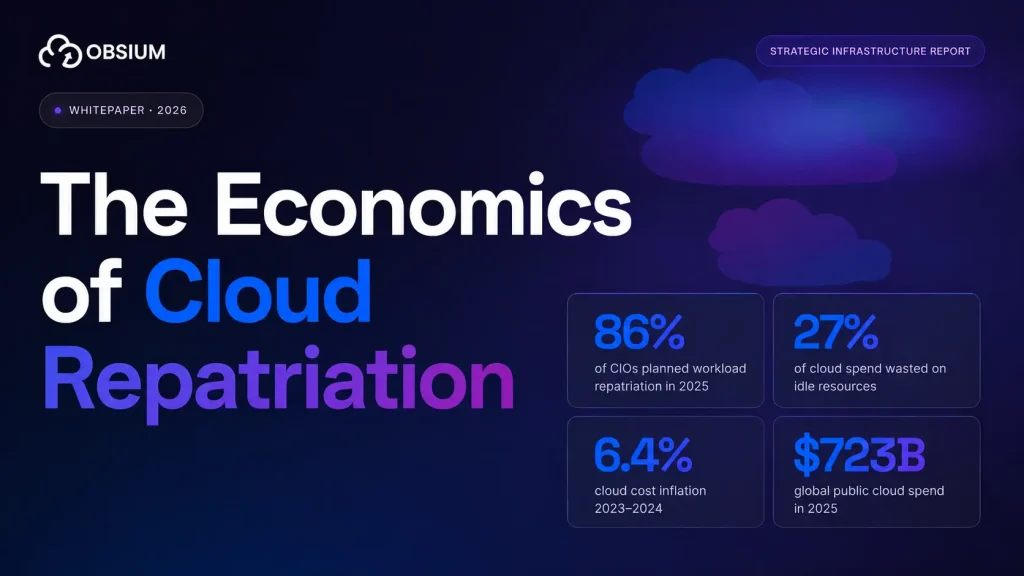
An honest look at where cloud economics break down, what on-premise infrastructure really costs, and how enterprises are making smarter workload-specific decisions in 2026.
Download Report