

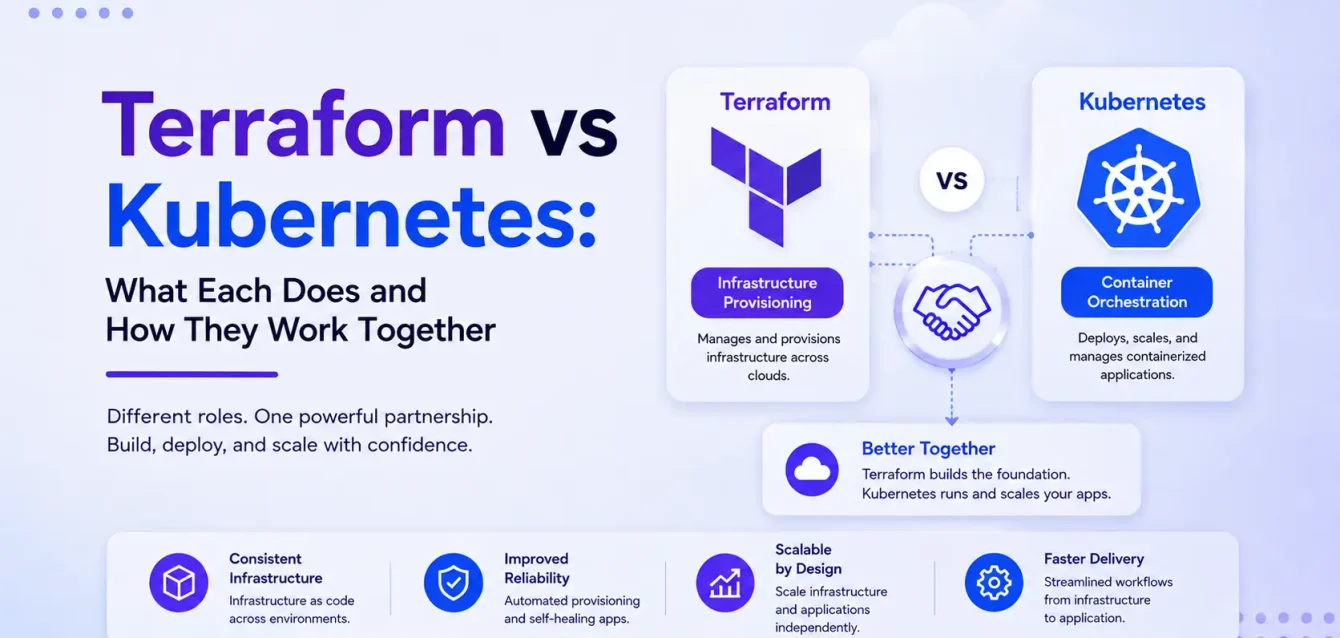
The confusion is reasonable. Both tools are declarative. Both reconcile actual state against desired state. Both live in the cloud native ecosystem, both get configured in text files checked into Git, and both show up in the same job descriptions. So…
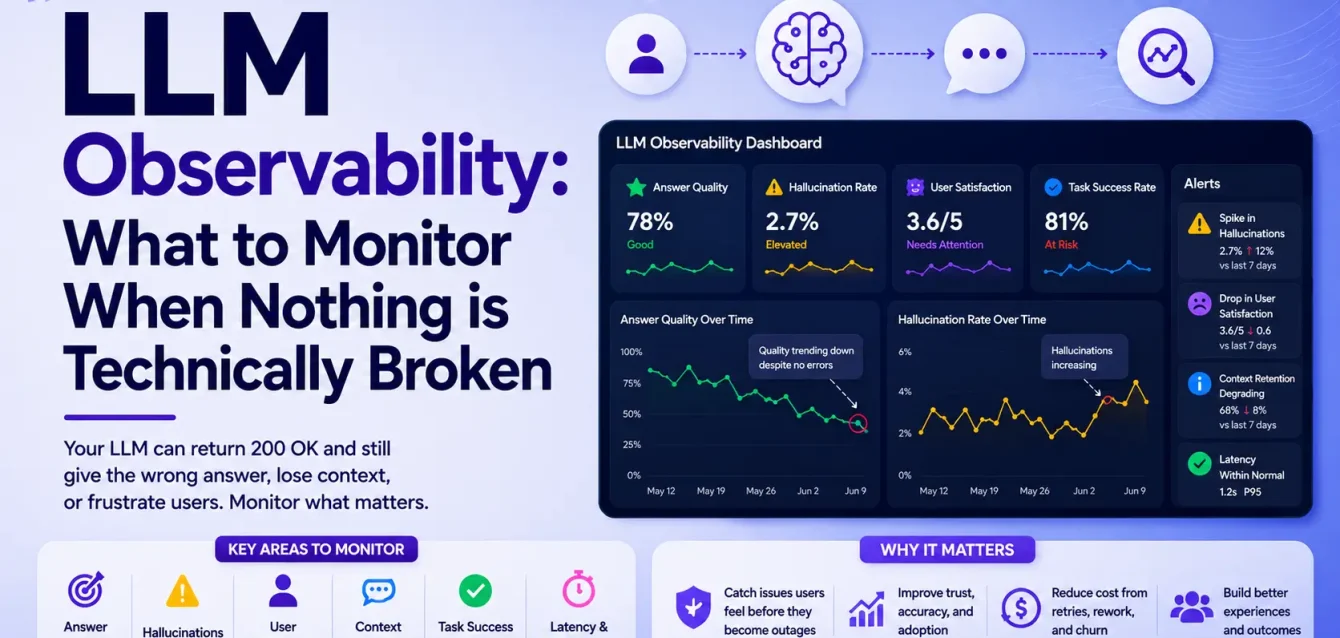
LLM observability: what to monitor when nothing is technically broken
LLM observability is the practice of instrumenting AI applications so you can see what a model was asked, what it returned, what it cost, and whether the output was correct. It differs from traditional monitoring in one specific way: an LLM…
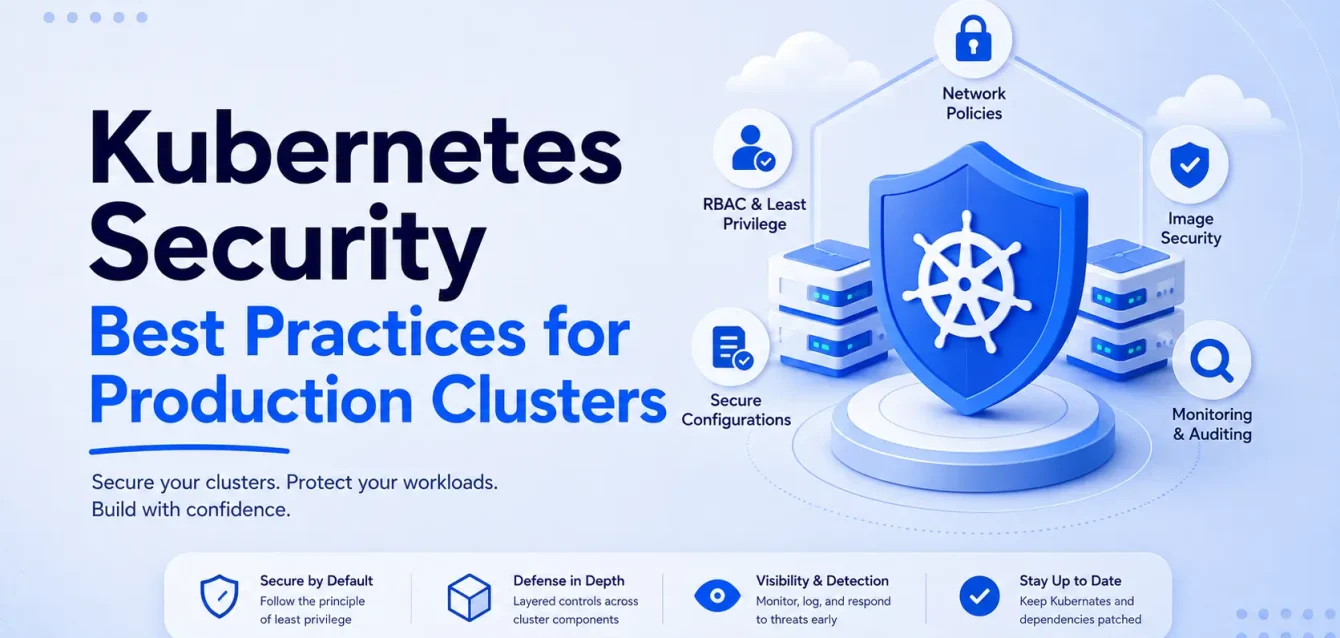
Kubernetes security best practices for production clusters
In 2025, attackers robbed a cryptocurrency exchange without using a single exploit. They phished a developer, borrowed their open cloud session to slip one ordinary-looking pod into production, and had it read the identity token Kubernetes clips inside almost every container…
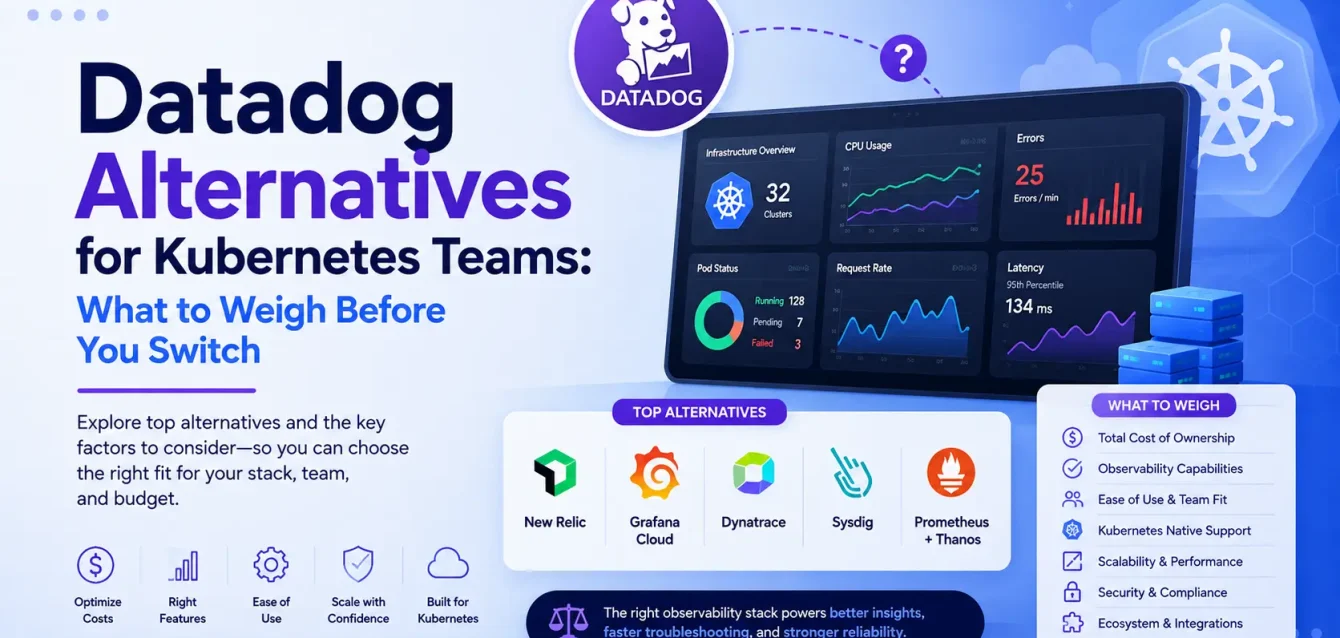
Datadog alternatives for Kubernetes teams: what to weigh before you switch
Almost nobody starts looking for a Datadog alternative because they hate Datadog. They start because a renewal quote landed and it was 40% higher than last year, and nobody on the team can explain exactly why. Or because a cardinality spike…
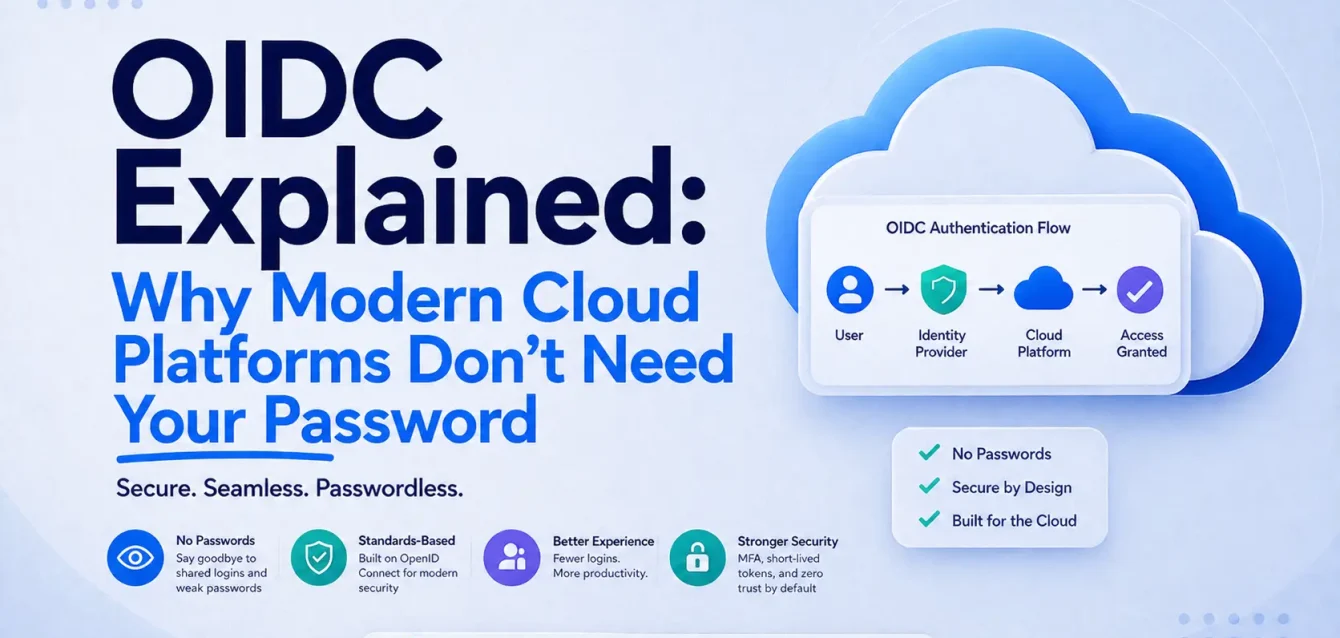
OIDC explained: why modern cloud platforms don’t need your password
Who this is for: engineers who have already pasted OIDC config into a pipeline and want to know what they actually turned on. Some familiarity with CI/CD and cloud IAM is assumed. No prior knowledge of OAuth or JWT internals is….
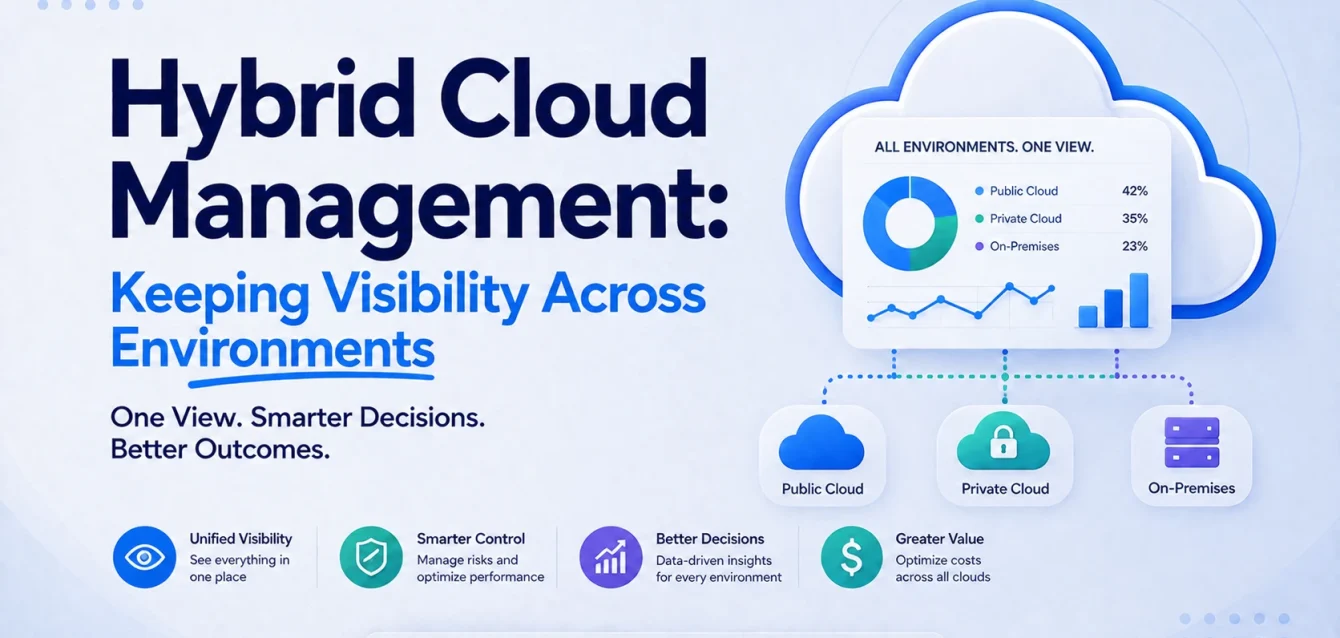
Hybrid cloud management: keeping visibility across environments
Here is the statistic that should bother anyone running infrastructure across more than one environment: 41% of IT leaders still find out about service interruptions through customer complaints, incident tickets, or manual checks (New Relic 2025 Observability Forecast, surveying 1,700 IT…
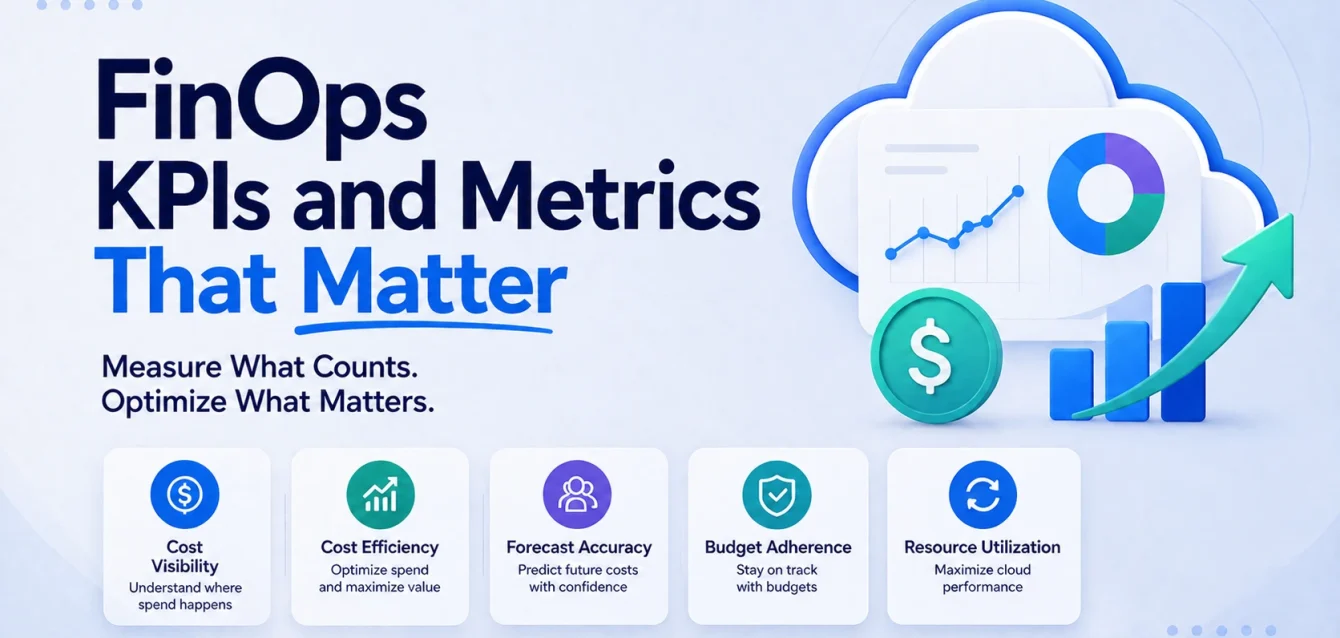
FinOps KPIs and metrics that matter (and the ones wasting your time)
Wasted cloud spend hit 29% in 2026, rising for the first time in five years, with AI workloads a major driver (Flexera 2026 State of the Cloud Report). That same year, 98% of FinOps practitioners reported managing AI spend, up from…
10 best FinOps consulting companies for cloud cost optimization
The cloud FinOps market is projected to reach $26.9 billion by 2030, growing at 12.6% annually (MarketsandMarkets). That growth makes sense when you look at the waste numbers: 29% of cloud spend is still wasted according to Flexera’s 2026 State of…
FinOps best practices for cloud cost optimization: what actually works
Cloud waste went up in 2026. After five consecutive years of decline, the percentage of cloud spend that organizations waste rose from 27% to 29%, driven by AI workload complexity and teams provisioning GPU capacity they do not fully use (Flexera…
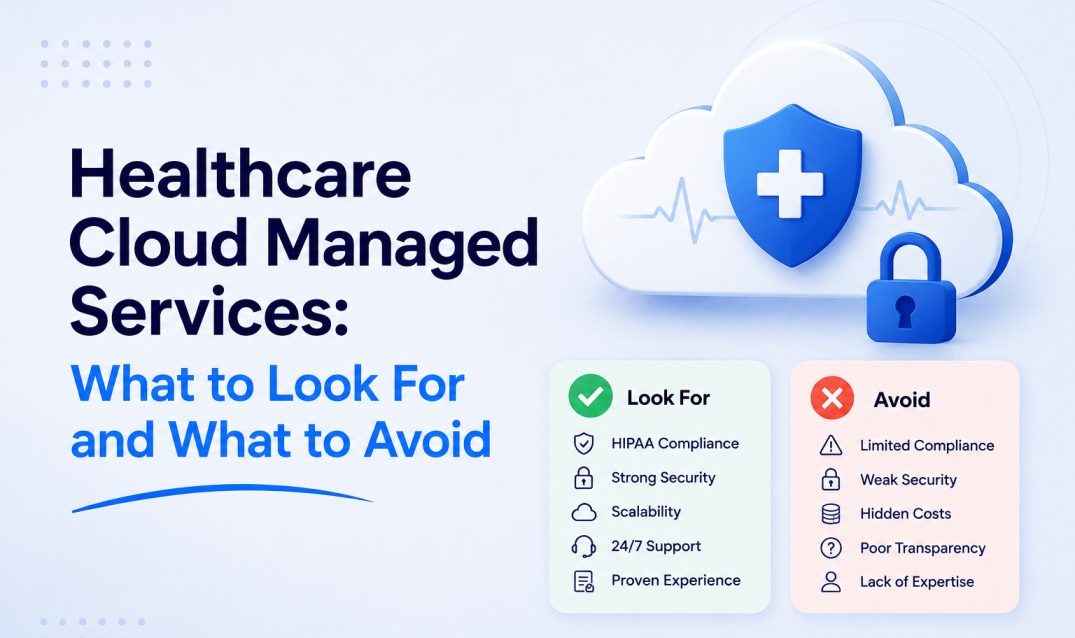
Healthcare cloud managed services: what to look for and what to avoid
In early 2025, Oracle Health disclosed that hackers accessed patient data from a legacy Cerner server that had not been migrated to Oracle Cloud. Up to 80 hospitals were affected. Oracle’s response was slow, communication was limited, and healthcare CIOs were…