


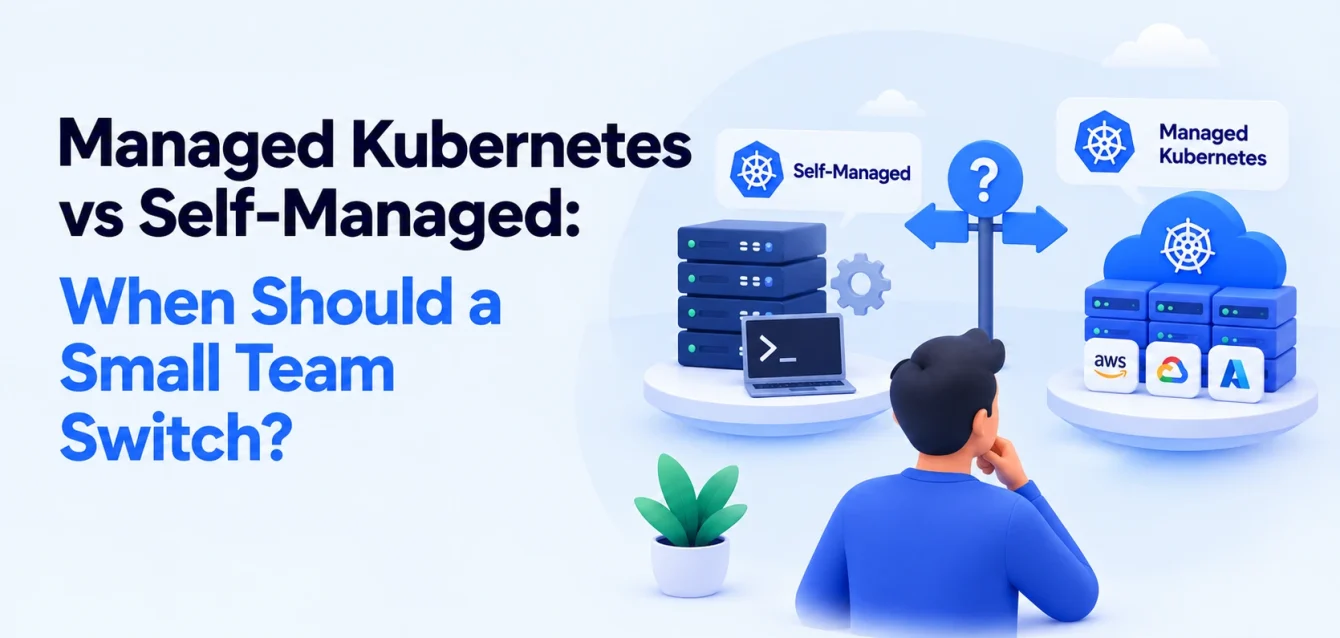
Every small team running Kubernetes has that upgrade. It has been on the board for three sprints. Everyone agrees it needs doing. Nobody wants to break production on a Thursday. Meanwhile, the cluster keeps getting further behind. If the same two…
Top 10 Managed Kubernetes Providers in 2026
Kubernetes has become the backbone of modern infrastructure. But managing it in-house—patching control planes, debugging networking at 2 a.m., fighting CrashLoopBackOff—still burns through engineering hours that should go toward shipping product. That is why managed Kubernetes providers exist. Not the cloud…

Top 10 Kubernetes Consulting Companies in 2026
Kubernetes adoption at mid-scale companies has reached an inflection point. The technology is no longer optional for teams running containerized workloads, but the expertise required to run it well remains scarce and expensive to hire. This is where Kubernetes consulting companies…
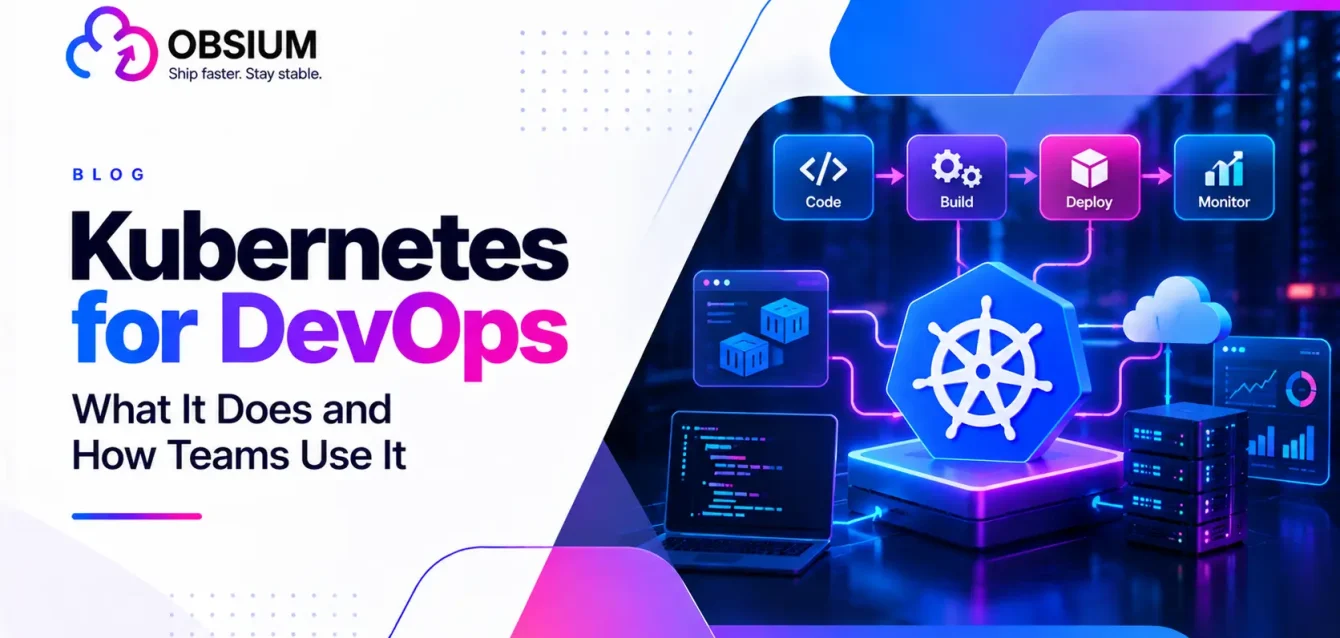
Kubernetes for DevOps: What It Does and How Teams Use It
DevOps is about helping teams build, release, and operate software more efficiently. Kubernetes helps make that possible, but the two aren’t the same thing. DevOps brings together people, processes, and automation. Kubernetes provides a platform for running and managing applications once…
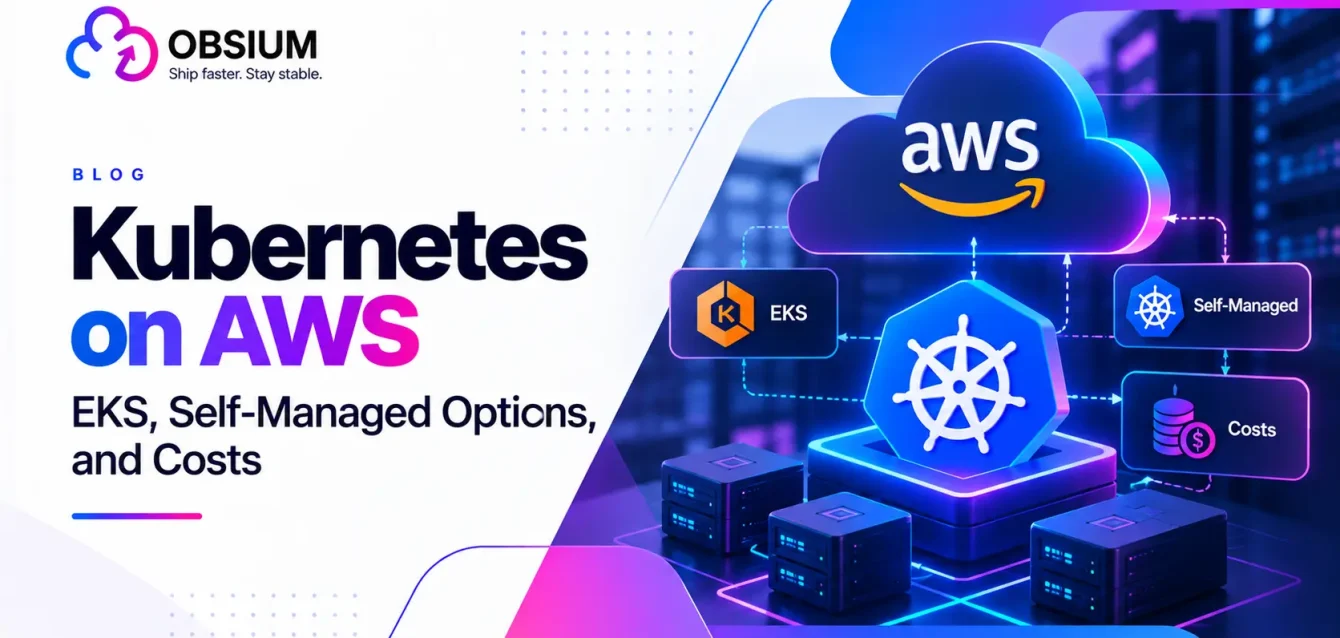
Kubernetes on AWS: EKS, Self-Managed Options, and Costs
Running Kubernetes on AWS can make it easier to deploy and scale applications. The challenge is deciding how much of the infrastructure you want to manage yourself. Amazon Elastic Kubernetes Service (EKS) handles much of the work involved in operating Kubernetes,…
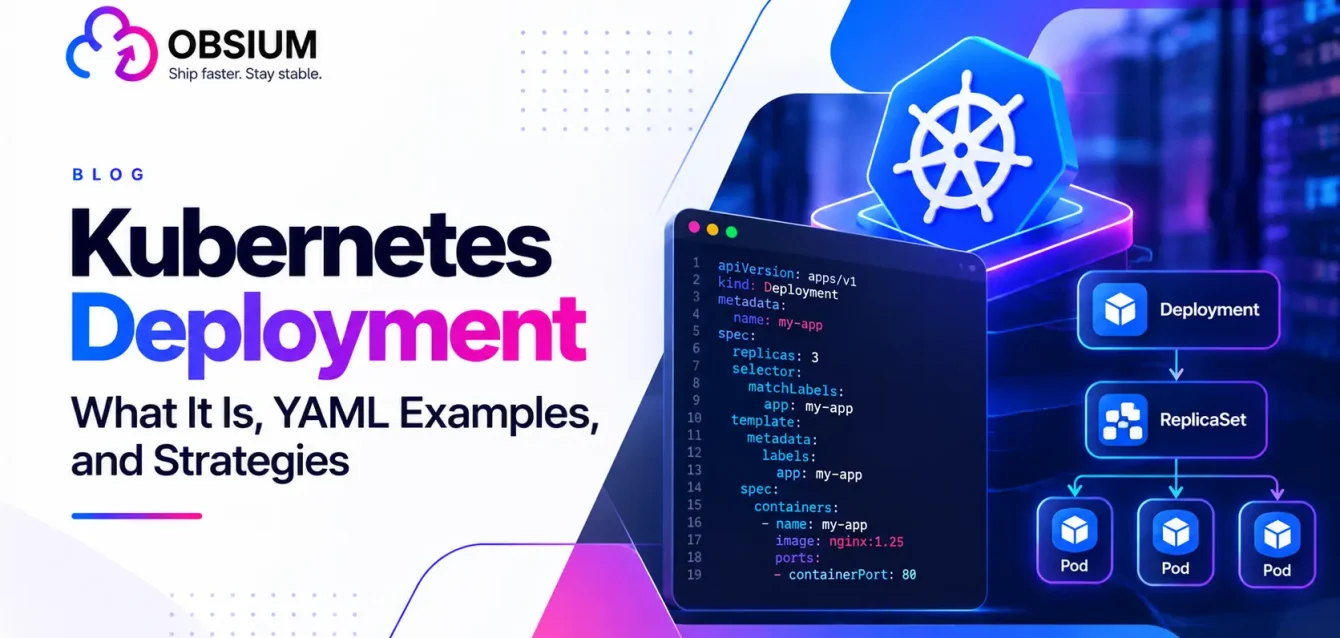
Kubernetes Deployment: What It Is, YAML Examples, and Strategies
Deploying an application to Kubernetes is relatively straightforward. Keeping it running reliably while traffic changes, containers fail, and new versions go live is where things become more complicated. A Kubernetes Deployment helps manage that complexity. Instead of creating and replacing containers…
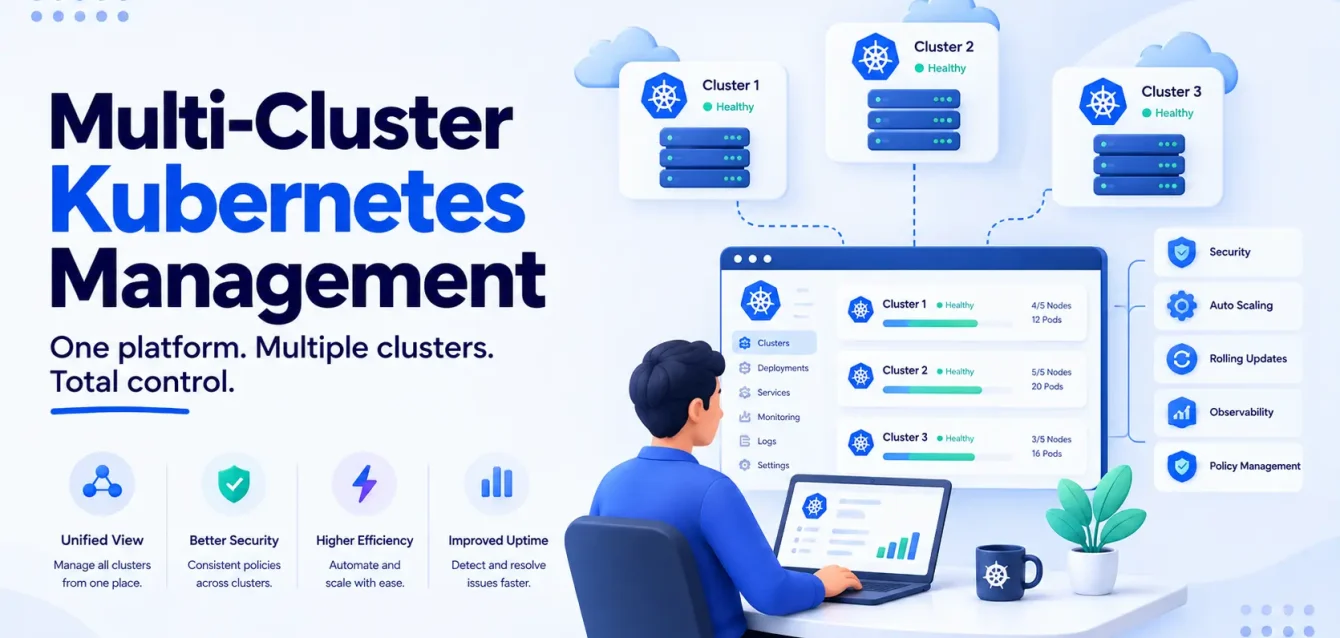
Multi-cluster Kubernetes management: when you actually need it, and how to run it without the sprawl
Multi-cluster Kubernetes management is the set of practices and tools for running applications across more than one cluster as a single operational unit, rather than as several disconnected clusters someone happens to also be responsible for. The distinction matters because most…
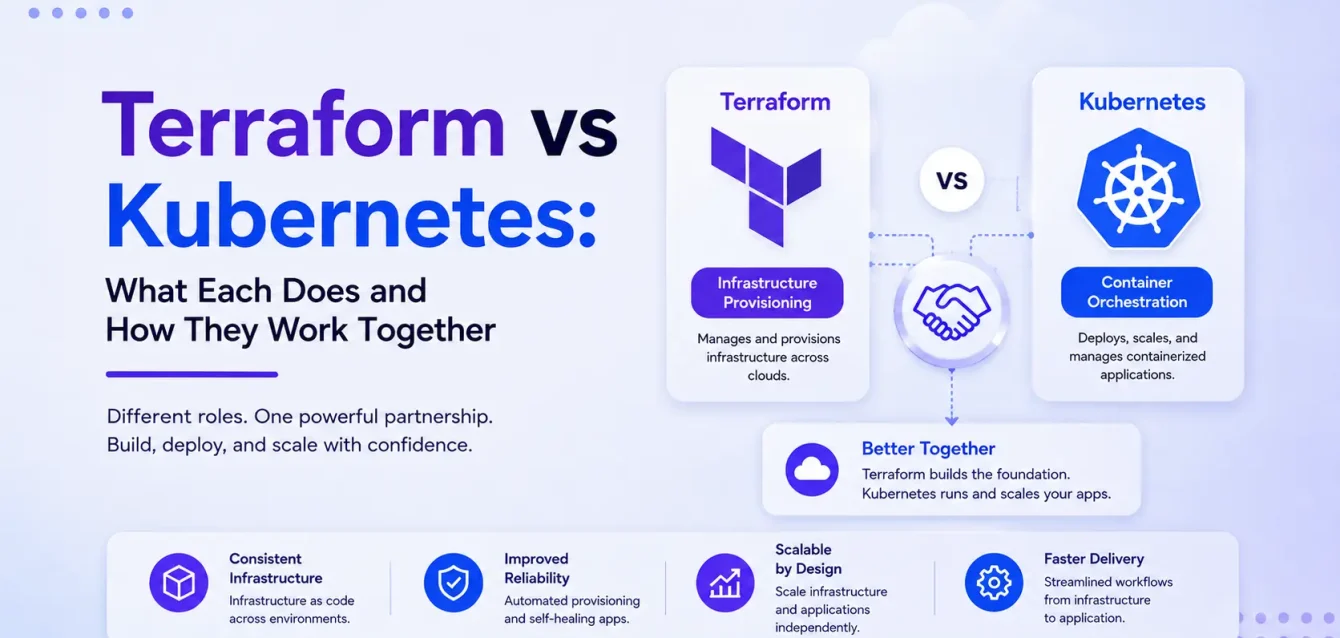
Terraform vs Kubernetes: what each does and how they work together
The confusion is reasonable. Both tools are declarative. Both reconcile actual state against desired state. Both live in the cloud native ecosystem, both get configured in text files checked into Git, and both show up in the same job descriptions. So…
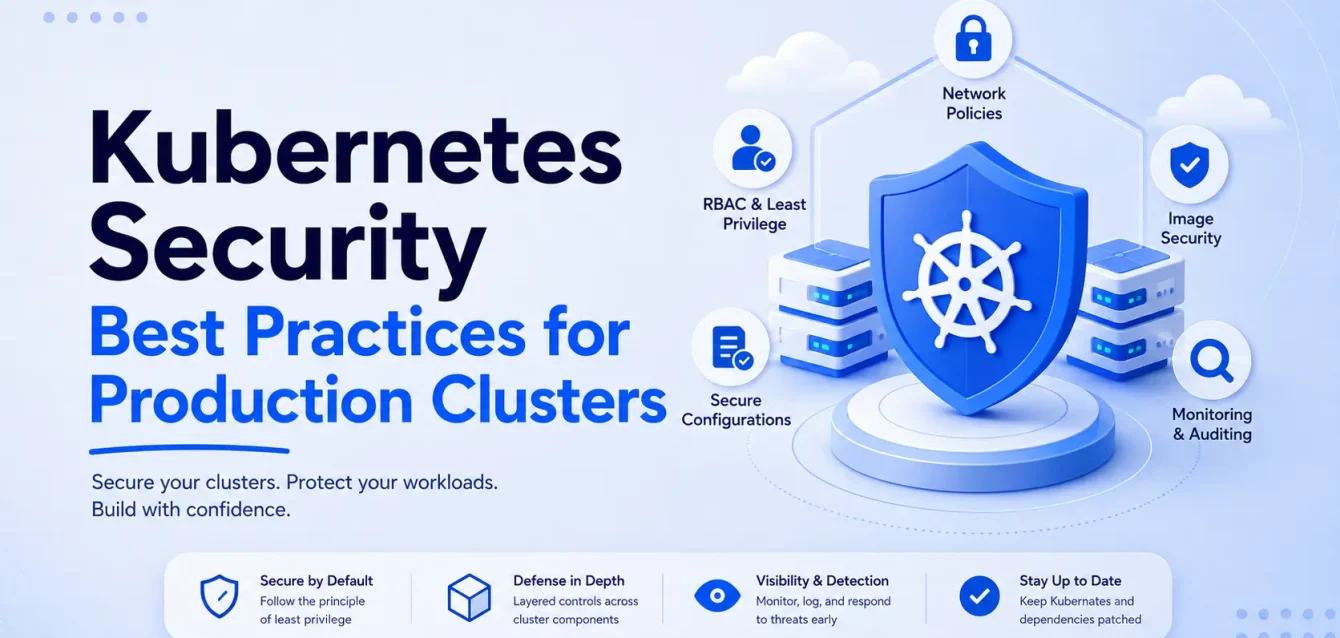
Kubernetes security best practices for production clusters
In 2025, attackers robbed a cryptocurrency exchange without using a single exploit. They phished a developer, borrowed their open cloud session to slip one ordinary-looking pod into production, and had it read the identity token Kubernetes clips inside almost every container…
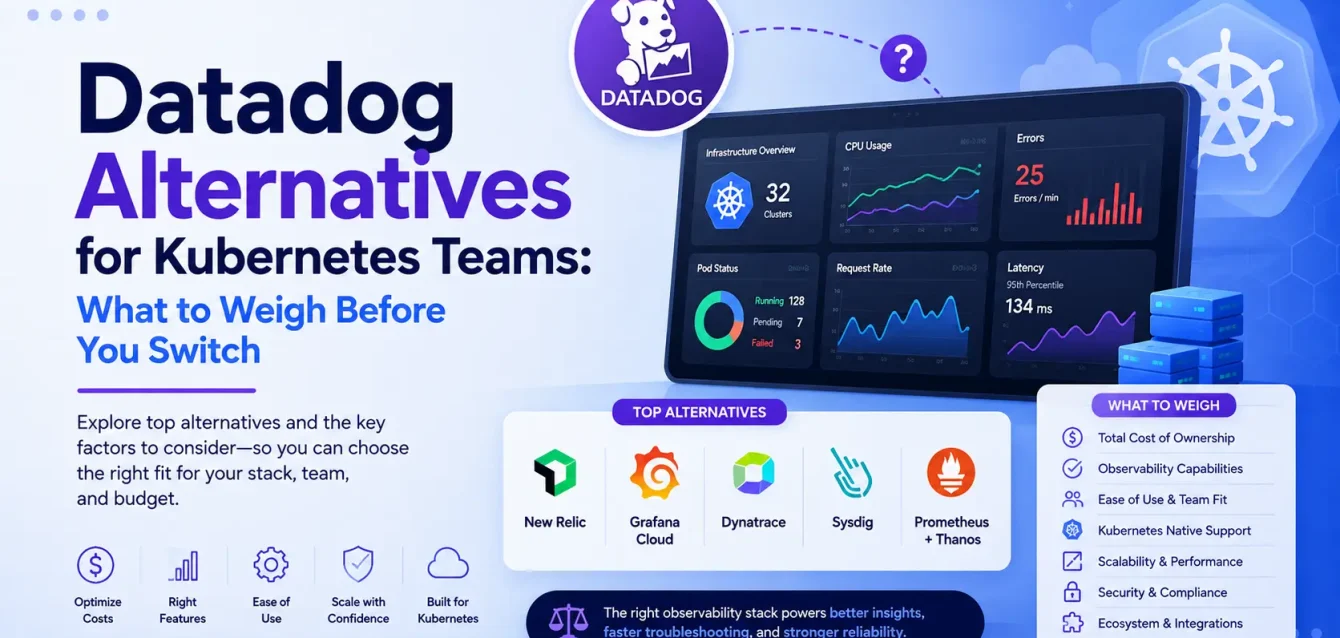
Datadog alternatives for Kubernetes teams: what to weigh before you switch
Almost nobody starts looking for a Datadog alternative because they hate Datadog. They start because a renewal quote landed and it was 40% higher than last year, and nobody on the team can explain exactly why. Or because a cardinality spike…