

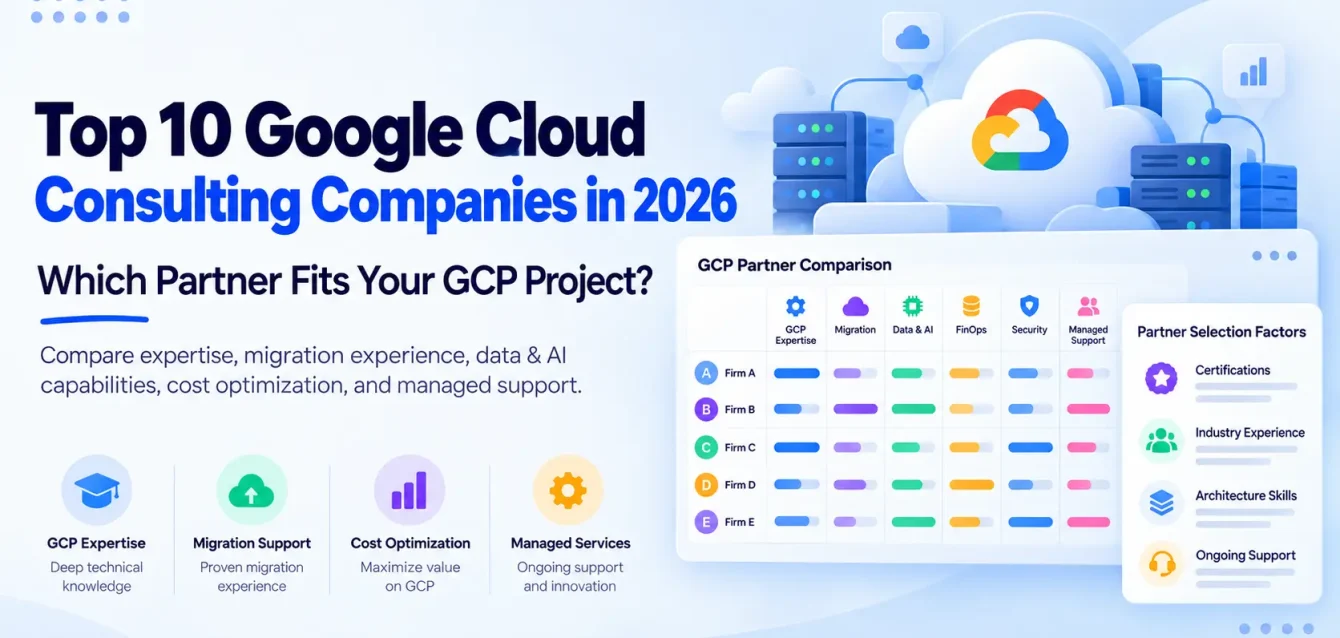
Choosing a Google Cloud consulting company is mainly about finding the right fit for your project. A company that is excellent at AI and data may not be the best choice if you need help moving from VMware, fixing reliability problems,…
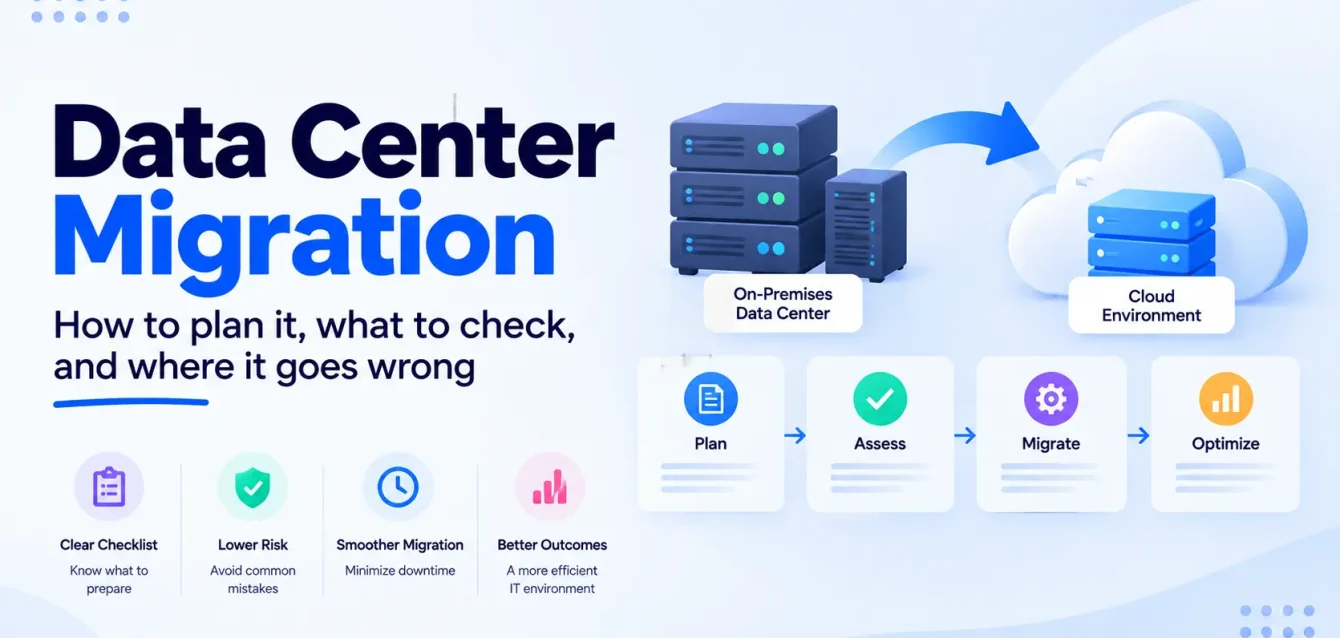
Data center migration: how to plan it, what to check, and where it goes wrong
Data center migration is the process of moving servers, storage, applications, and data out of one data center and into another environment, usually a public cloud, a colocation facility, or a smaller consolidated site. It covers everything from finding out what…
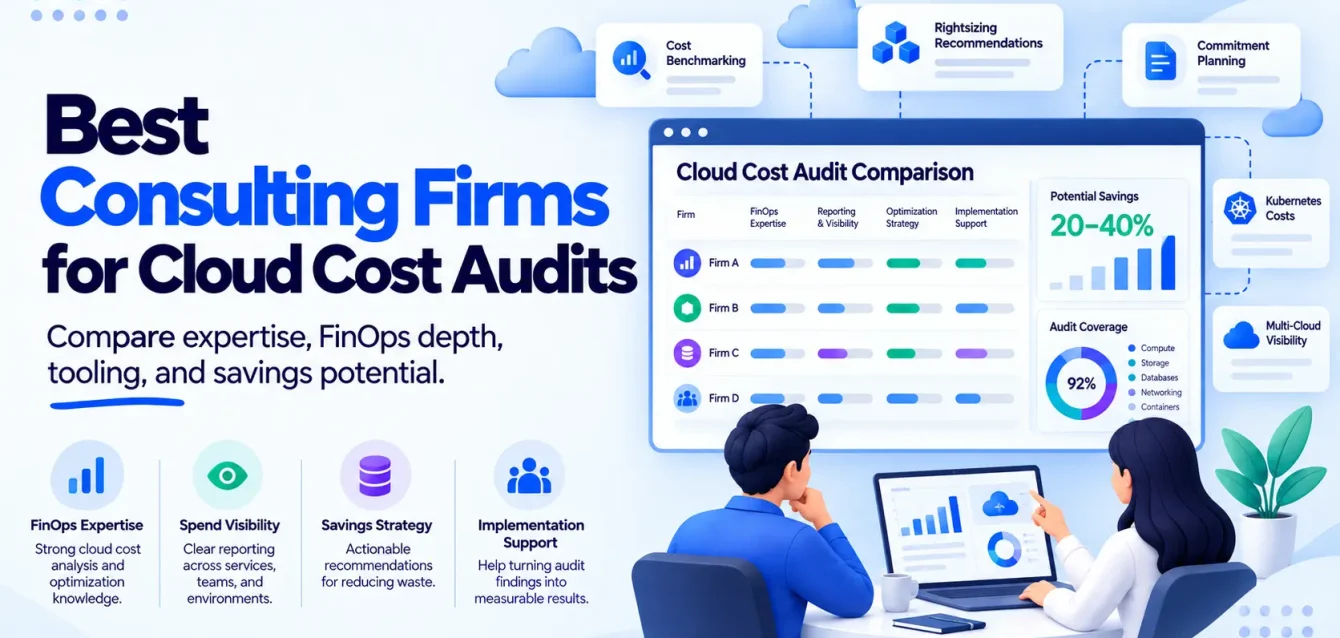
Best Consulting Firms for Cloud Cost Audits
A cloud cost audit is a short, focused engagement. Someone looks at your cloud bill, tells you where the waste is, and hands you a report. That’s different from hiring a full FinOps consultancy or an ongoing cost-optimization service. This page…
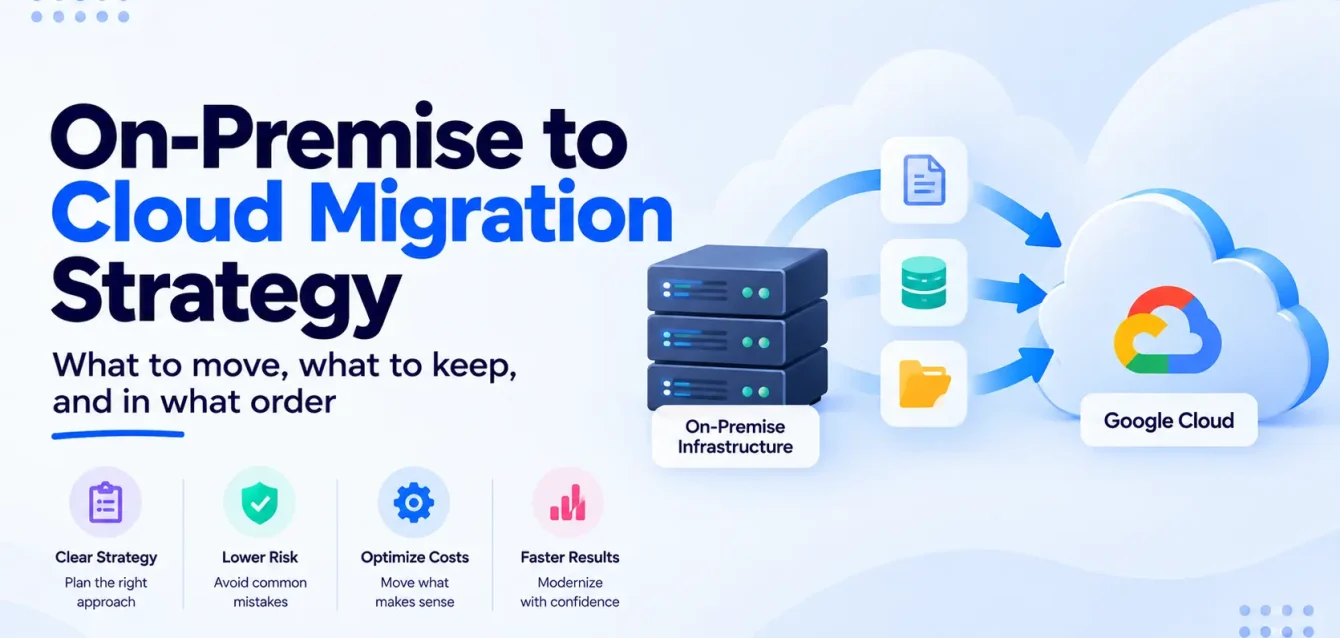
On-Premise to Cloud Migration Strategy: What to Move, What to Keep, and in What Order
On-premise to cloud migration is the process of moving applications, data, and infrastructure from systems you operate yourself into a public cloud such as AWS, Azure, or Google Cloud. The migration strategy should be decided before any server moves: what should…
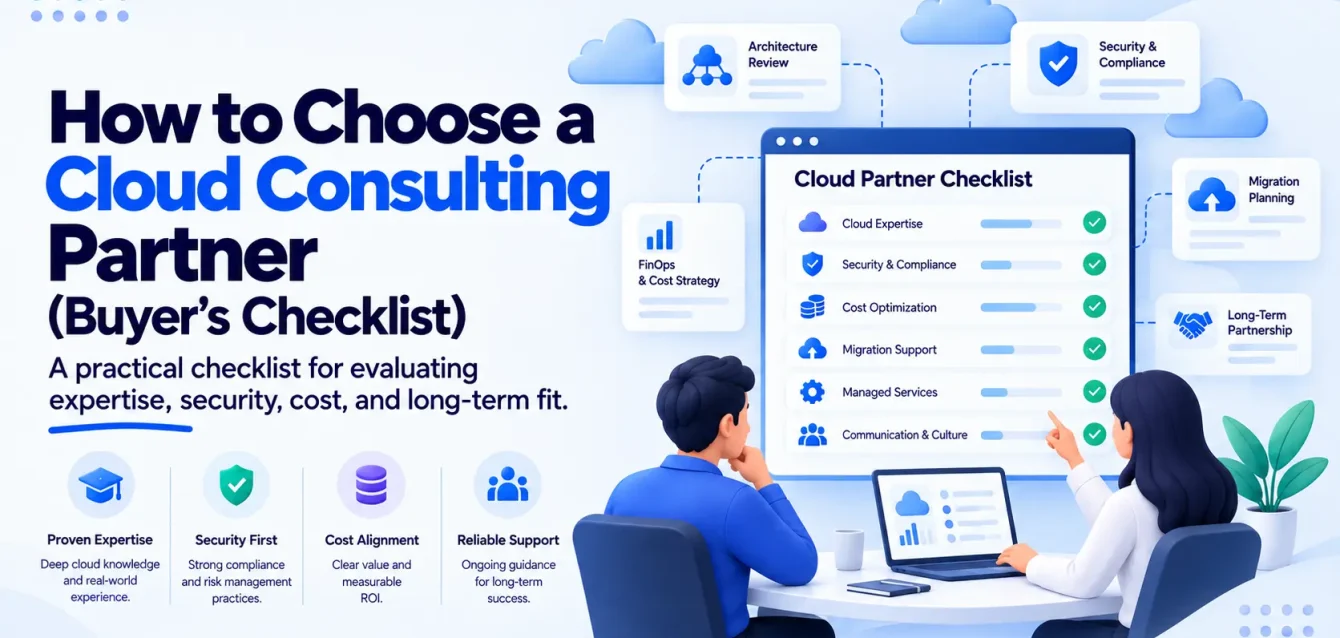
How to Choose a Cloud Consulting Partner (Buyer’s Checklist)
Hiring the wrong cloud consulting partner is expensive in a way that’s easy to underestimate. It’s not just the invoice. It’s the quarter you lose. It’s the migration that has to be redone. It’s the internal team that inherits a mess…
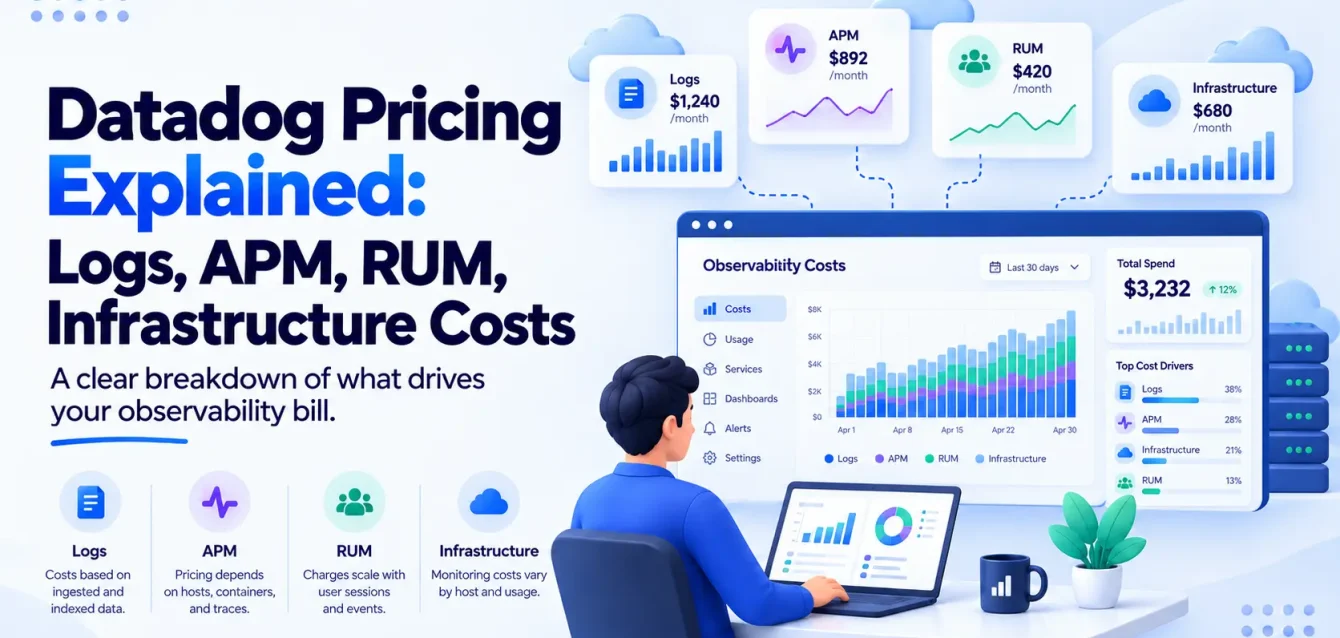
Datadog Pricing Explained: Logs, APM, RUM, and Infrastructure Costs
Datadog’s pricing page lists more than 20 products. Each one bills in a different unit: per host, per GB, per million spans, per thousand sessions, per committer. Nobody reads all of it before signing up. Most teams find out what a…
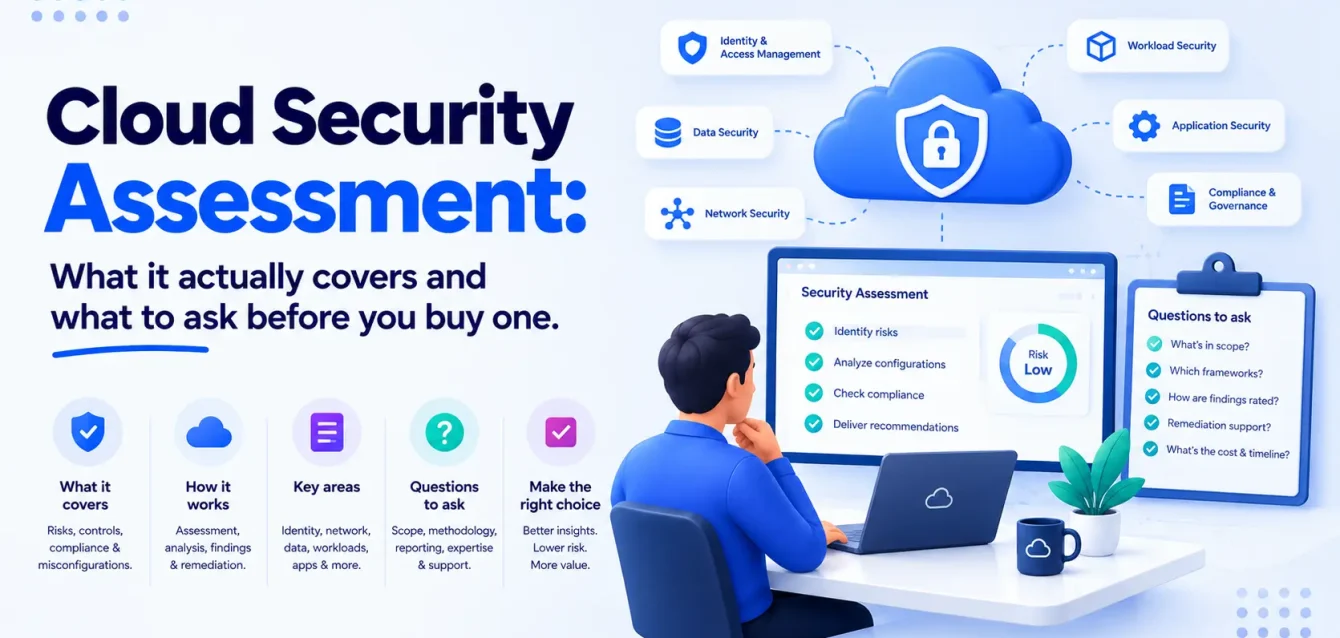
Cloud security assessment: What it actually covers and what to ask before you buy one
A cloud security assessment is a structured review of your cloud environment’s configuration, access controls, and exposure, checked against a defined framework, that identifies specifically where an attacker could get in and what they would be able to reach. In practice,…
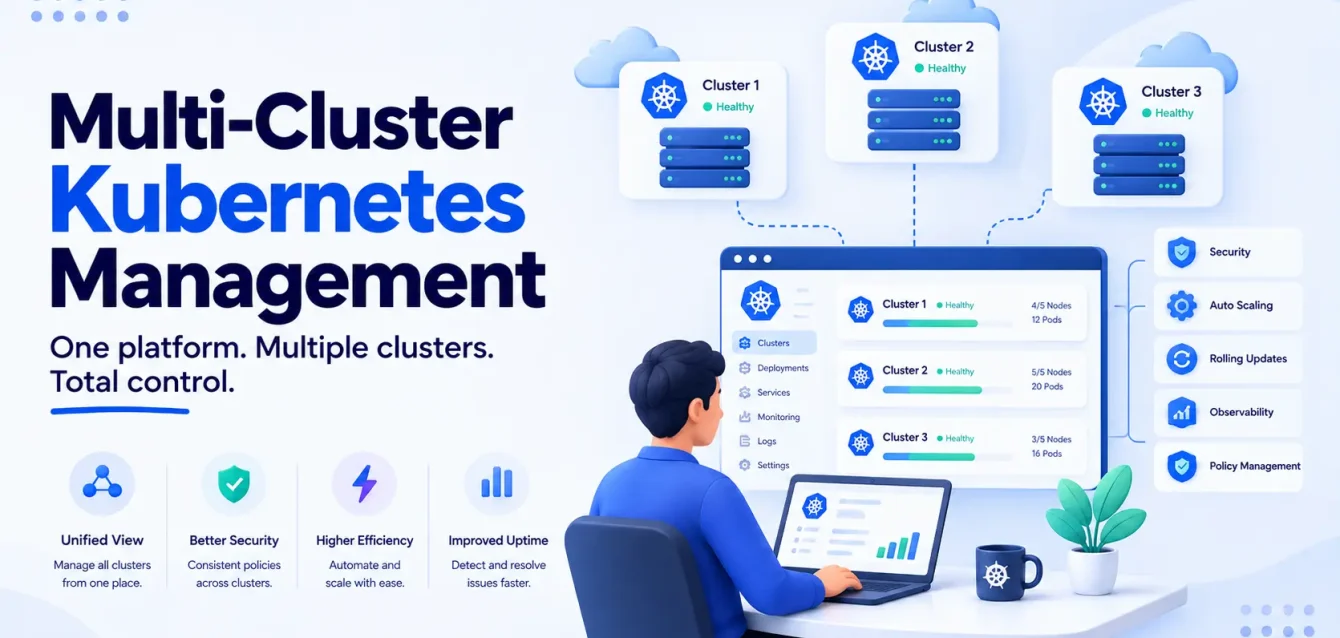
Multi-cluster Kubernetes management: when you actually need it, and how to run it without the sprawl
Multi-cluster Kubernetes management is the set of practices and tools for running applications across more than one cluster as a single operational unit, rather than as several disconnected clusters someone happens to also be responsible for. The distinction matters because most…
Disaster recovery testing: how to run one that actually proves something
Ninety percent of IT leaders say they are confident they could recover from a ransomware attack. In practice, according to a Veeam survey of more than 900 IT and security leaders published in April 2026, only 28% of ransomware victims fully…
Top 10 AWS Consulting Companies in 2026
Picking an AWS partner mostly comes down to one question, and it is worth answering before you talk to anyone: do you need a project, or do you need someone to run things? A project has an end. You build a…